What Does a Thermostat Housing Do, and Why Do Material and Casting Quality Matter So Much
Date : 2026-10-29Source: Syrontech
A heater that blows cold on a frosty morning. A temperature gauge creeping towards red in traffic. Often, the culprit is a part most drivers have never seen. So, what does a thermostat housing do? It holds the thermostat, guides the coolant and keeps the circuit sealed. At Hubei Robot Technology, we machine precision components for automotive, aerospace and medical customers, so we respect small parts that carry big responsibility. Here is how this one works, how it is made and what to check before you buy.
So, What Does a Thermostat Housing Do When You Turn the Key?
Think of the housing as a hollow gatekeeper. It bolts to the engine, usually where the upper radiator hose attaches, and cradles the thermostat valve.
Here is what happens during a typical drive:
Cold engine: the valve stays shut, so coolant stays inside the engine and warms it faster.
Working temperature: the valve starts to open gradually.
Hot running: coolant flows to the radiator and sheds heat.
Throughout: the sealing faces stop any drips.
Without the housing, the thermostat would have nowhere to sit.
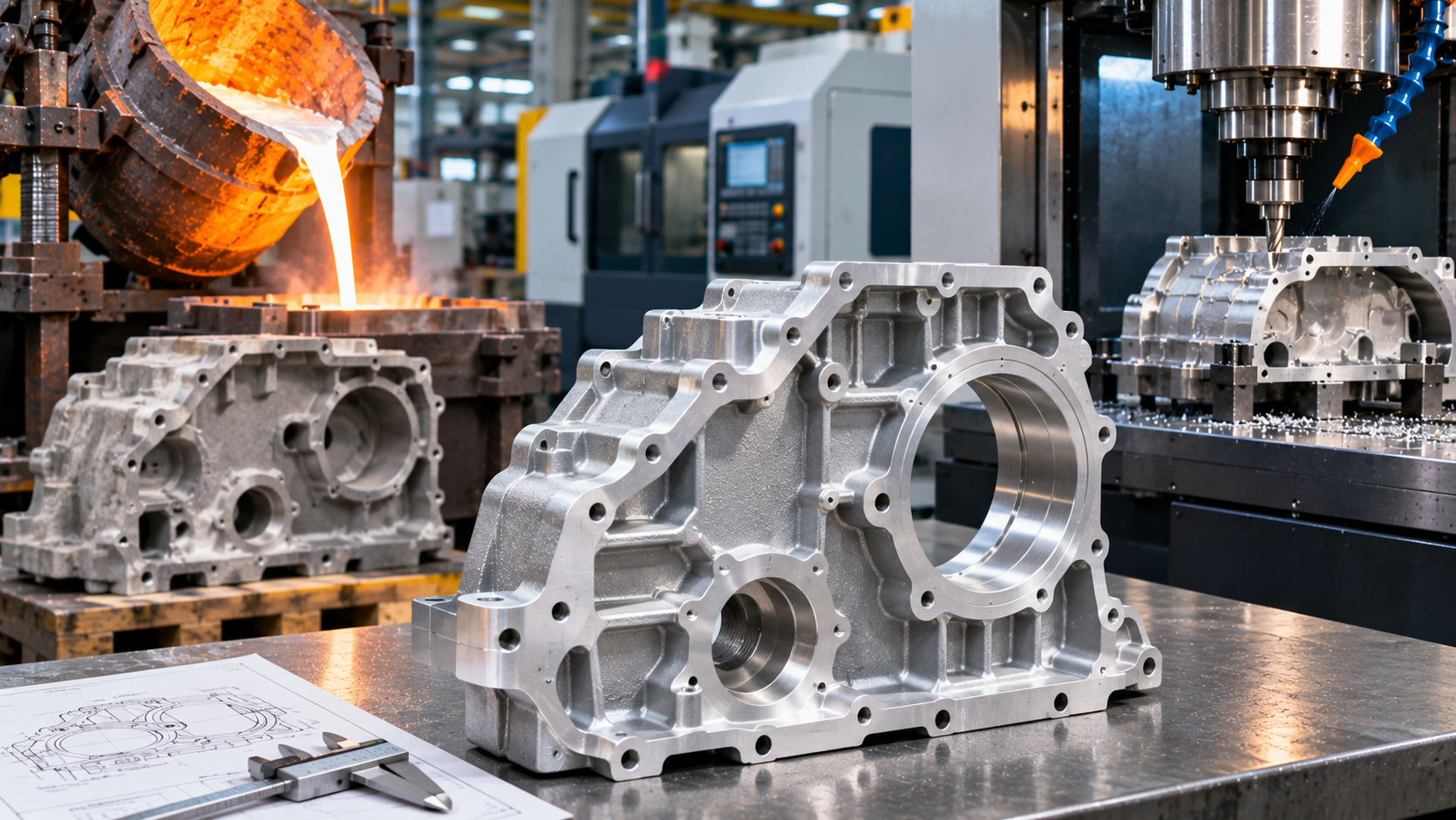
Engine Thermostat Housing Casting: How Molten Metal Becomes a Part
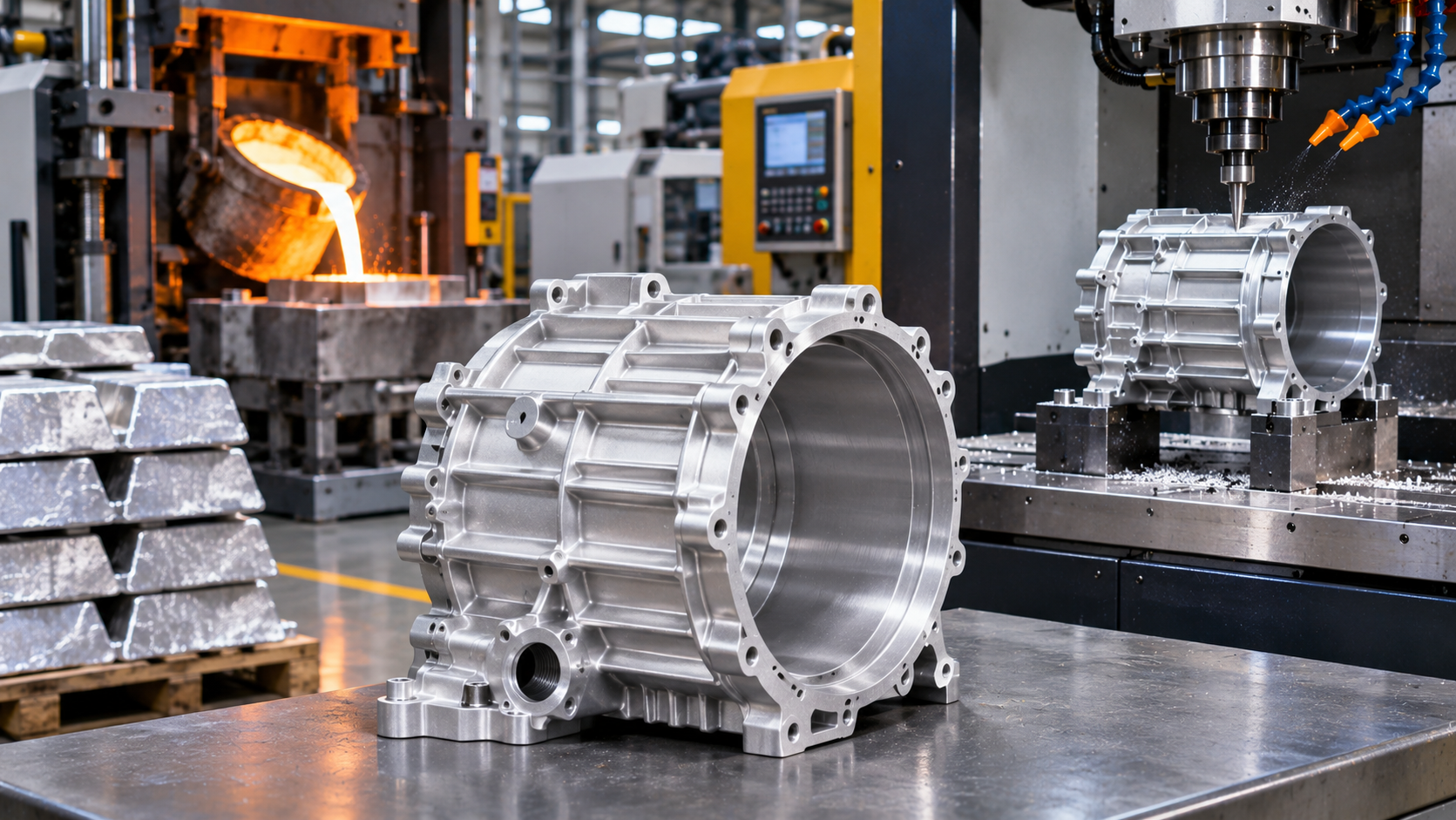
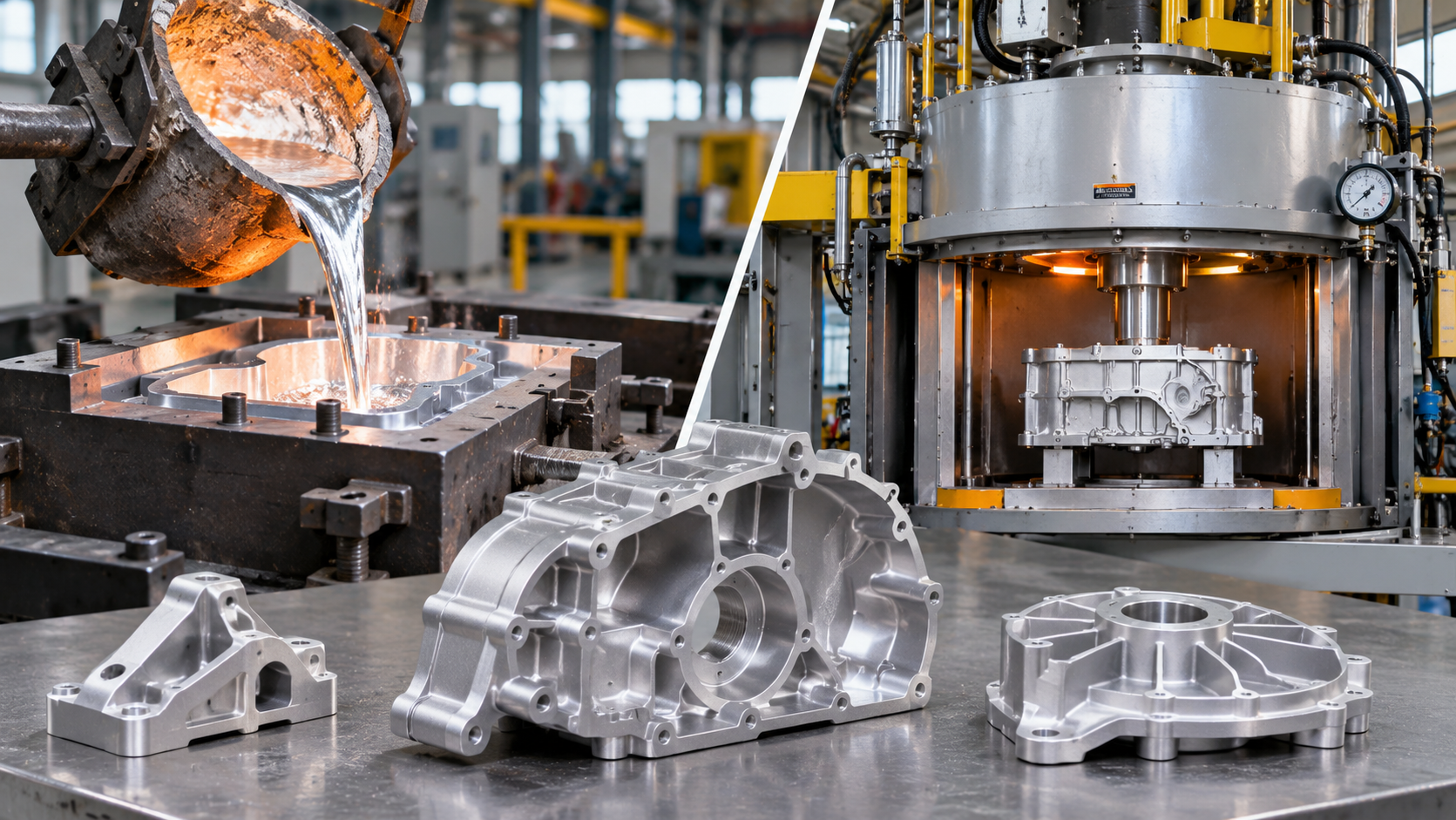
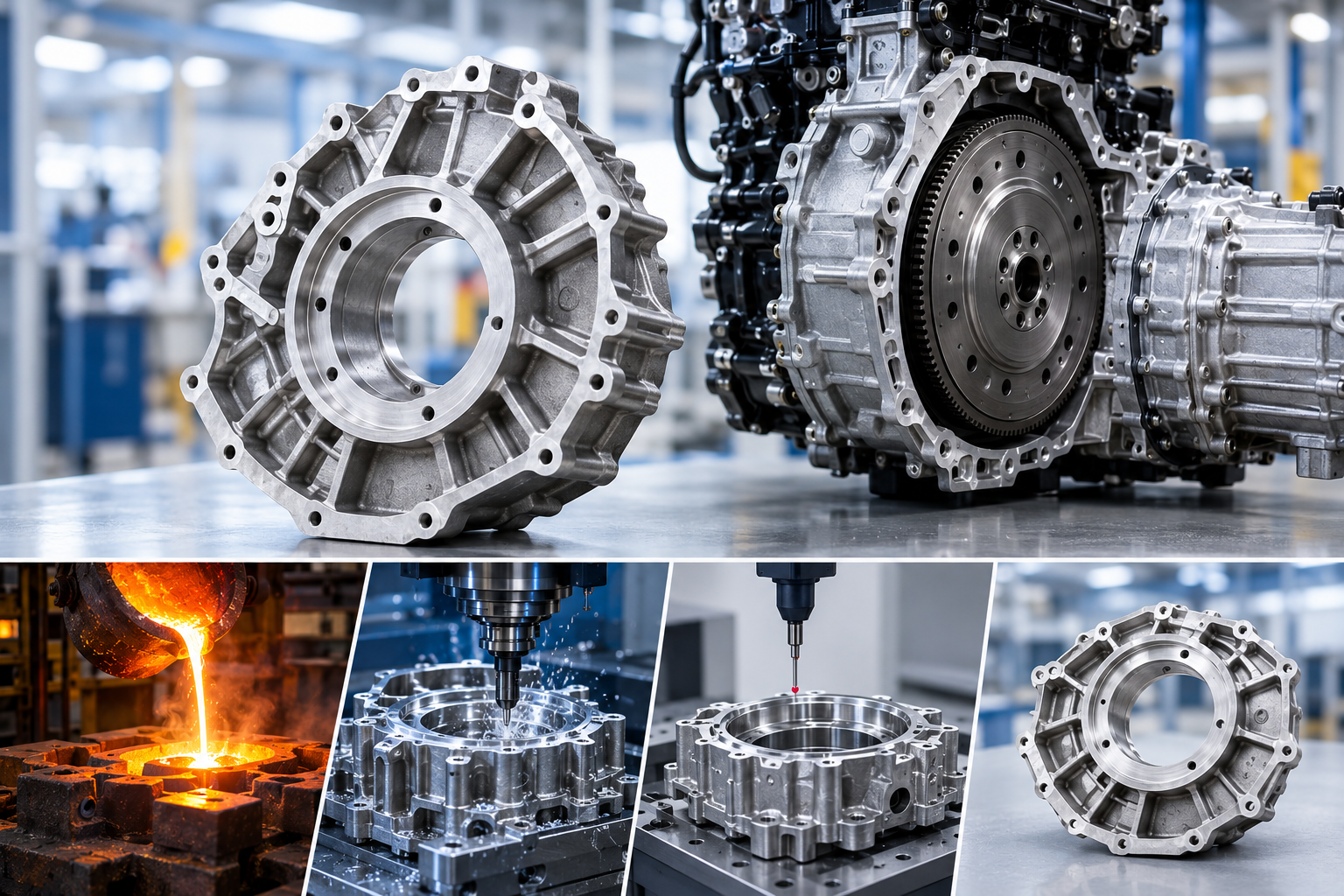
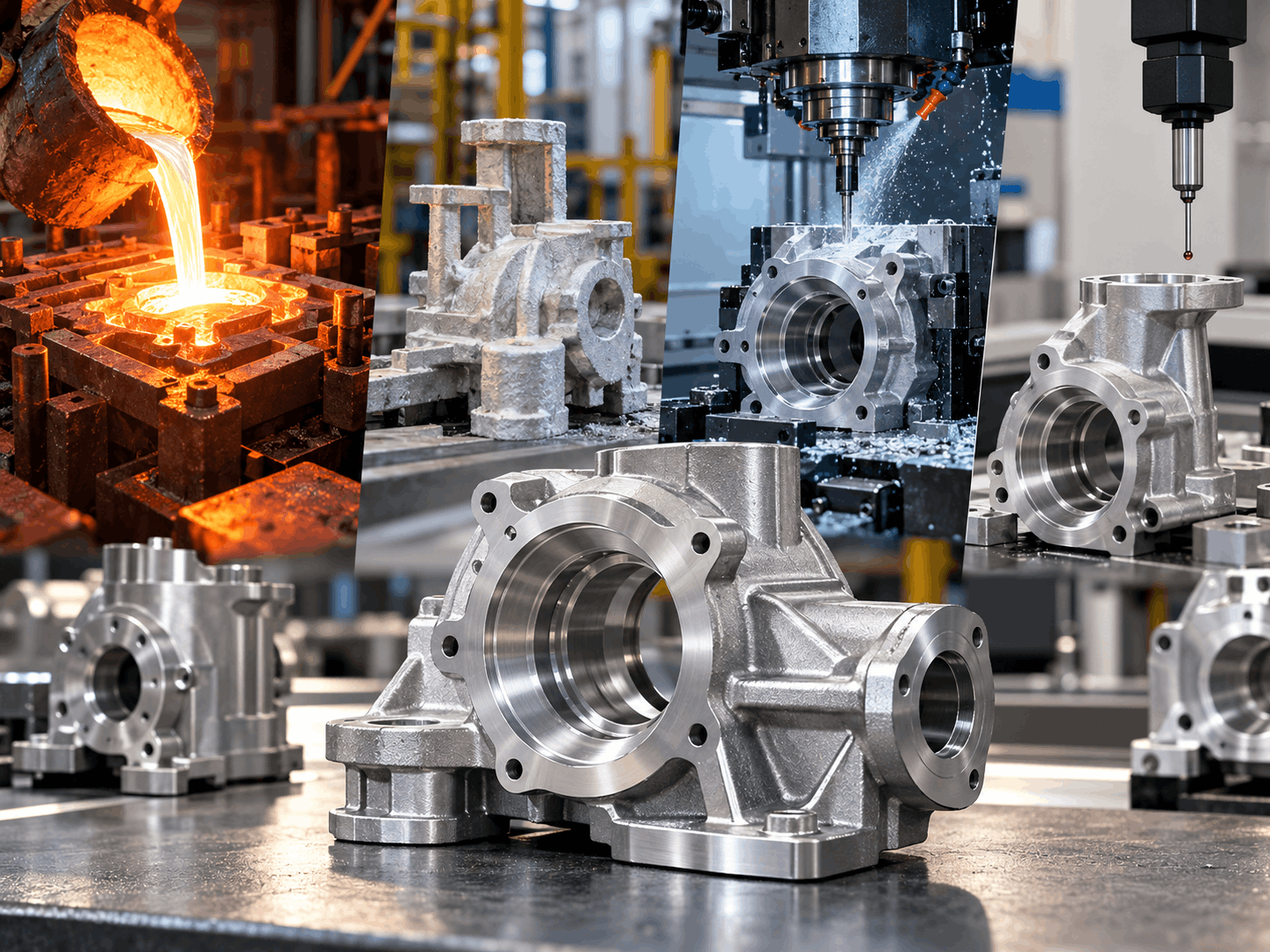
Good engine thermostat housing casting begins long before any metal melts. Most aluminium housings follow roughly this route:
Tooling: a die is cut to match the housing shape and coolant ports.
Melting: the alloy is heated until fully liquid.
Filling: metal enters the die under control, which limits air pockets.
Cooling: the casting sets and is released.
Heat treatment: internal stress is reduced.
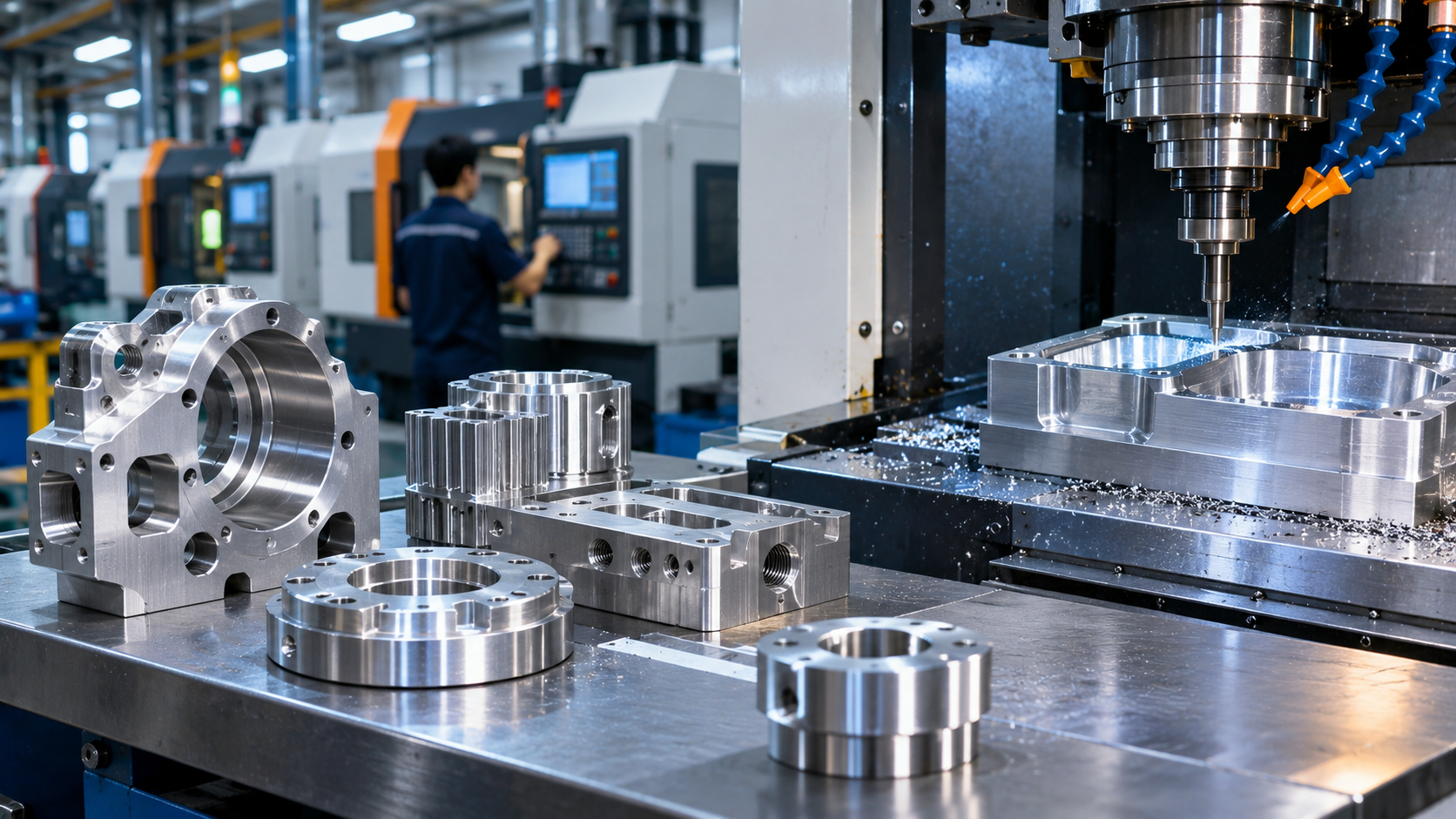
Machining: CNC tools finish the sealing faces, bolt holes and ports.
Skip that last step and leaks follow, because raw castings are never perfectly flat. Honestly, engine thermostat housing only takes you part of the way. Anyone asking what does a thermostat housing do should also ask how its sealing face was finished.
Why an Aluminum Thermostat Housing Outlasts Plastic Under Heat
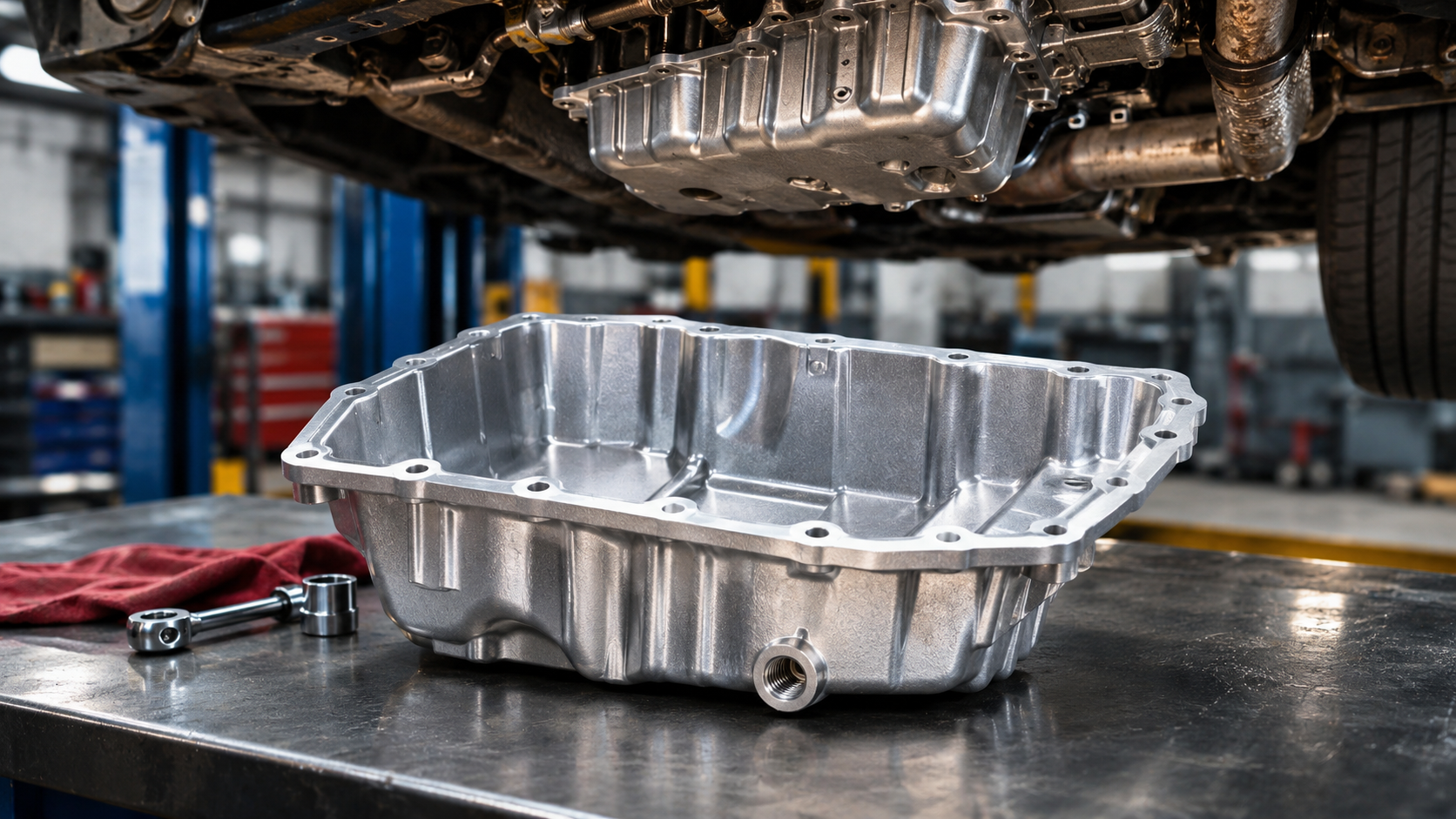
An aluminum thermostat housing weighs less than iron and handles heat far better than most plastics. The main advantages are:
Light weight, which helps fuel economy
Quick heat transfer
Good resistance to vibration
Accurate machining to tight tolerances
Plastic can warp after years of heating and cooling. Aluminium holds its shape, provided the casting is sound. That provided matters, which is why a well-made aluminum thermostat starts with clean alloy and careful pouring.
Not every thermostat housing manufacturer works to the same standard. Ask for:
Alloy material certificates
Leak or pressure testing on finished parts
Stated tolerances on sealing faces
Written inspection records
Small-batch flexibility
Prototype support
Clear delivery dates
Wall thickness and porosity decide how a part behaves under load. So, what does a thermostat housing do if the casting is weak? It cracks, usually when the engine works hardest. A trustworthy thermostat housing will welcome these questions.
Inside Our Workshop: 100+ Lathes and a Team Full of PhDs
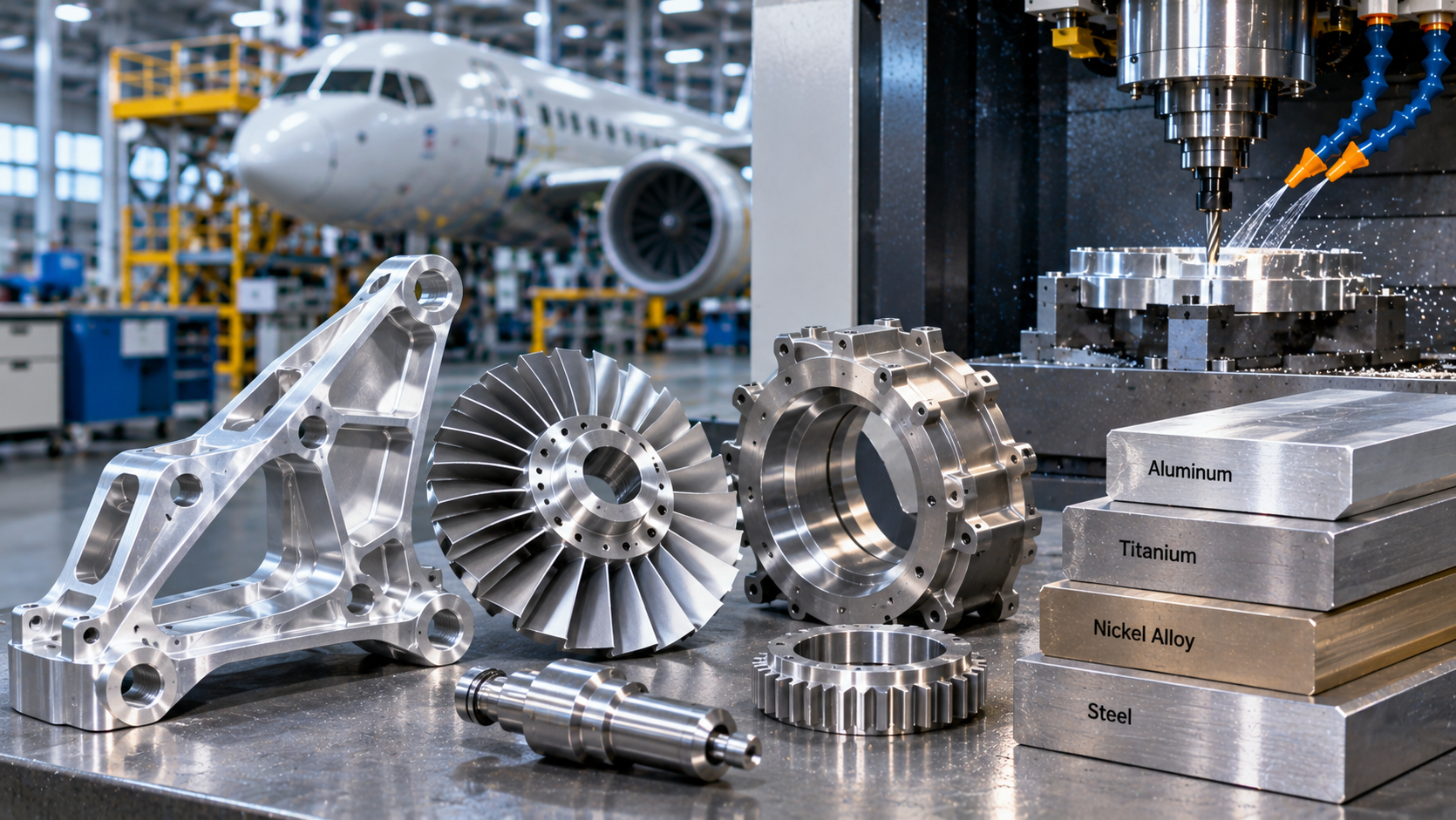
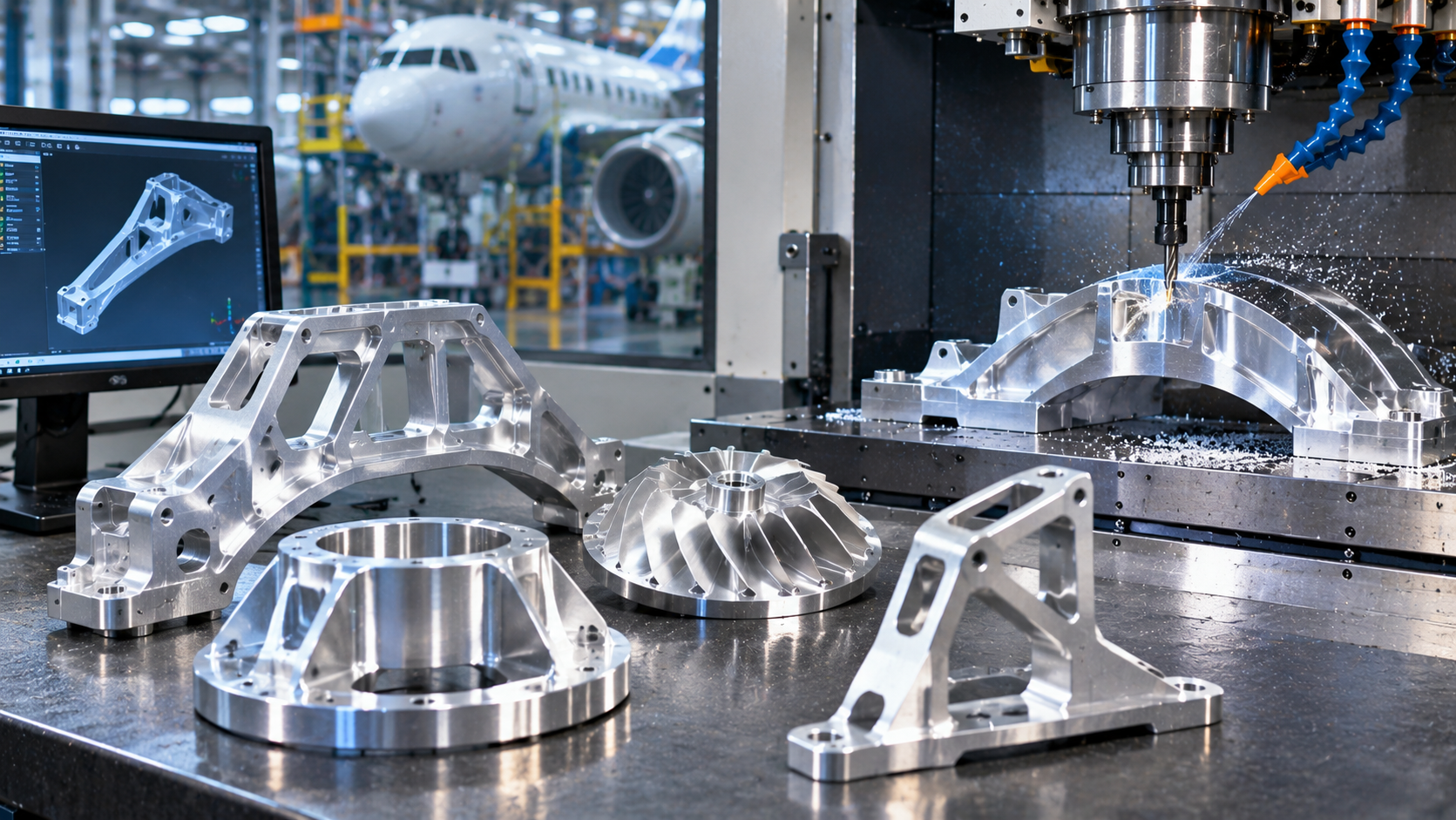
We run over 100 CNC lathes, alongside 3, 4 and 5-axis vertical and horizontal machining centres and wire EDM equipment. Complex ports and flat faces can therefore be cut in one smooth workflow.
Our R&D team is made up of 20% PhD holders and 30% Master's degree holders, so we can offer practical advice on difficult designs. Here is what you get:
Prototype development
Mould manufacturing
Post-processing assembly
Final inspection
Small batches or full-scale production, delivered on time
Many buyers bring us blanks from engine thermostat housing casting suppliers, and we finish them to drawing. We work as a thermostat housing manufacturer and finishing partner alike. A strict quality control system checks every product, so a machined aluminum thermostat housing arrives with fewer surprises between drawing and finished part. Our customers span automotive, aerospace and medical devices, where safety always comes first.
Is Your Housing Failing? Warning Signs Drivers Often Ignore
Housings rarely fail without hinting first. Watch for:
A sweet smell or damp patch near the hose joint
A temperature gauge swinging up and down
A heater blowing cold air
Crusty white or green residue
A coolant level that drops for no reason
Act early. Replacing a housing costs far less than a warped cylinder head. Once you know what does a thermostat housing do, these signs make perfect sense.
FAQs:-
Can a cracked housing be repaired? Rarely. Replacement is safer, as sealants seldom survive heat and pressure.
Does the casting method affect leaks? Yes. Poor engine thermostat housing casting leaves tiny pores that weep coolant.
Is aluminium dearer than plastic? Usually a little, yet an aluminum thermostat housing often lasts longer, so it can cost less over time.
Should I replace the housing with the thermostat? Often, yes. Knowing what does a thermostat housing do explains why: both share one joint, and the labour overlaps.
Small Casting, Big Responsibility: Why Quality Wins in the End
So, what does a thermostat housing do in the end? It protects your engine from heat, cold and leaks, all from one small casting. Material choice and manufacturing quality decide whether it lasts for years or fails early. The selection of the proper supplier who manufactures the thermostat housing is very significant. Hubei Robot Technology is here to assist you with our professional workforce, state-of-the-art machinery, and customer-focused attitude towards business.