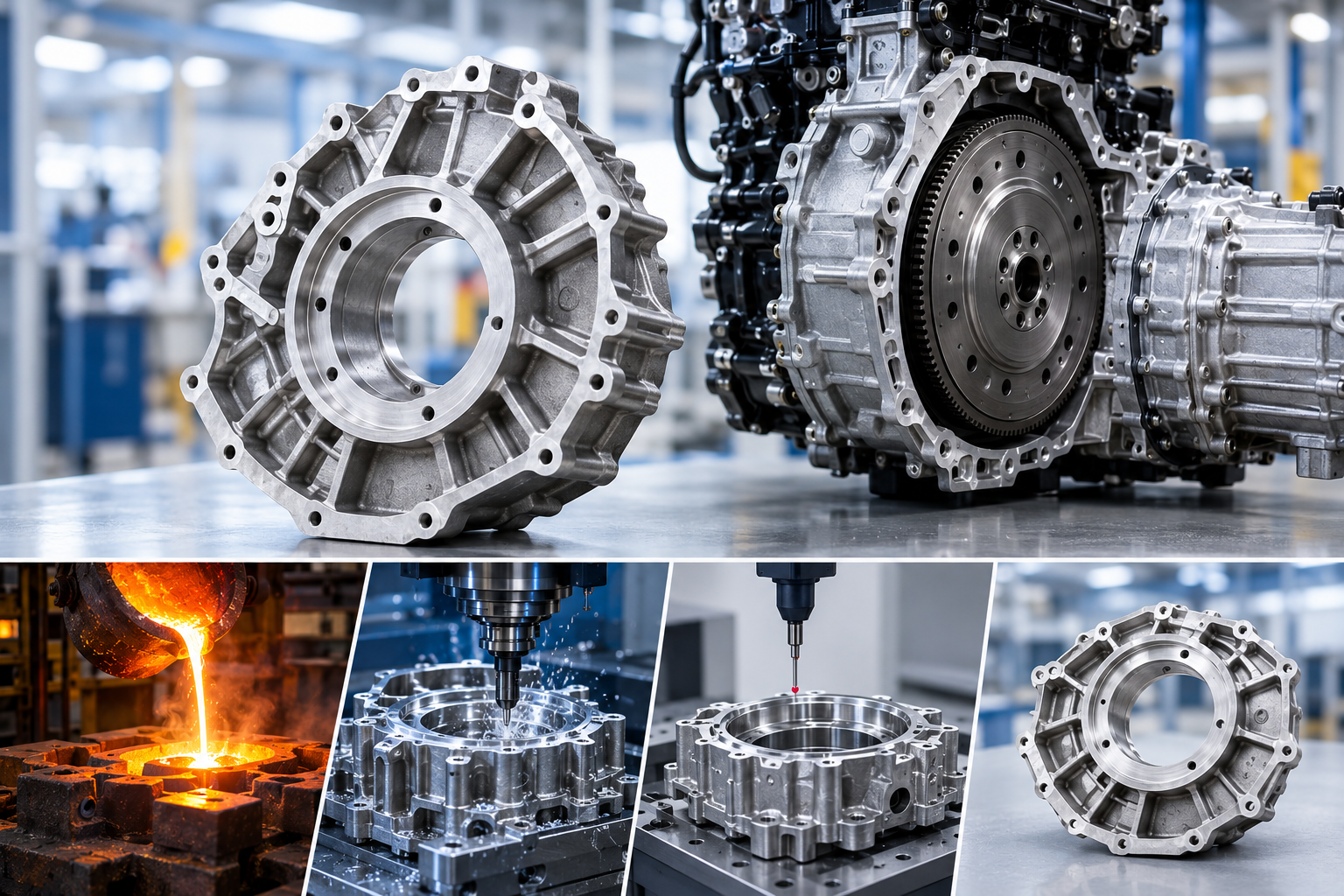
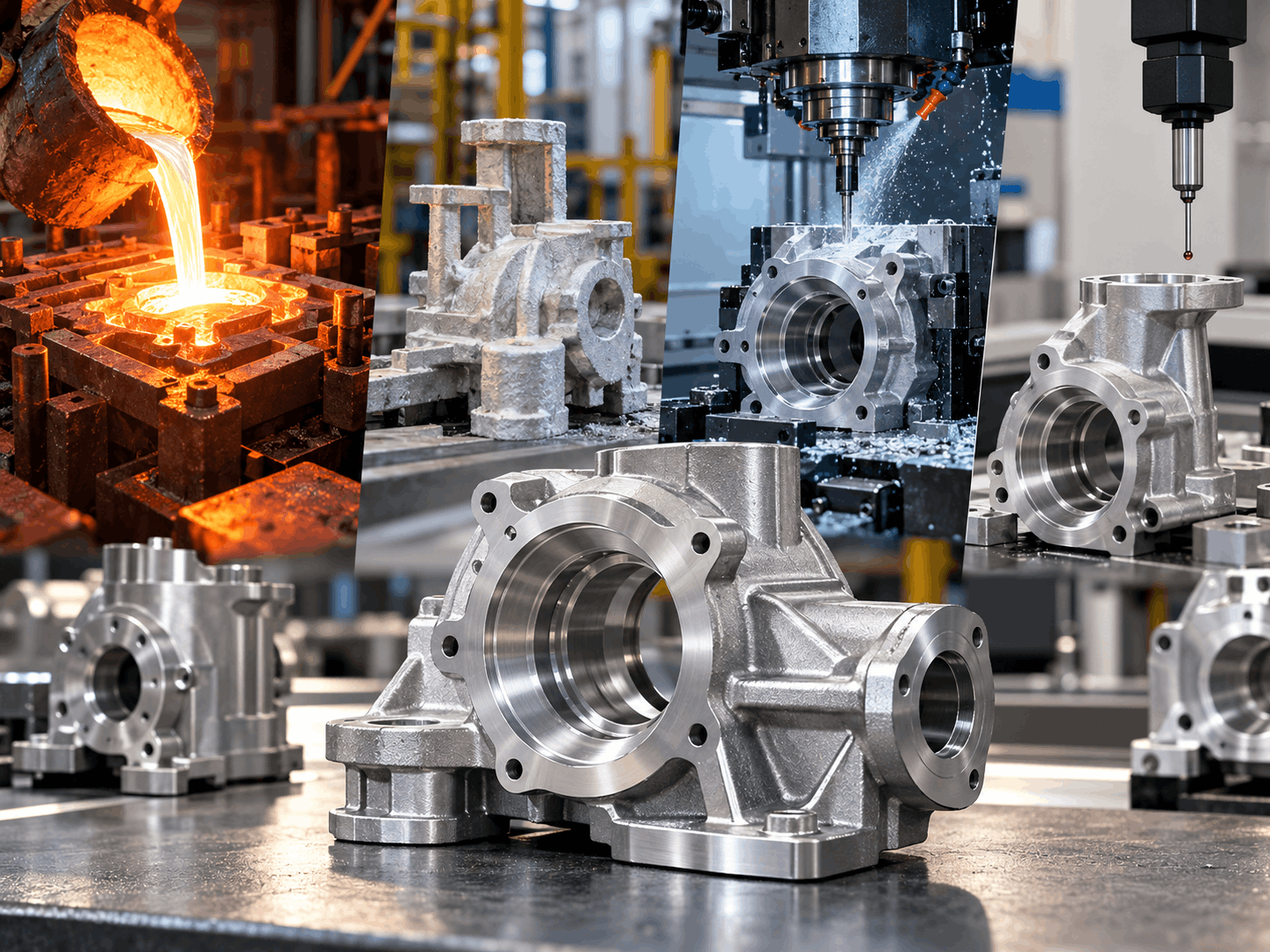
Gravity Casting Vs Low Pressure Casting For Aluminum Parts: The Honest Guide Buyers Actually Need
Date : 2026-11-19Source: Syrontech
Picture a buyer who picks the cheapest casting route, then watches scrap and delays eat the saving. It happens more often than you'd think, and it is why gravity casting vs low pressure casting for aluminum parts deserves a proper look before you request a quote.
At Hubei Robot Technology, we cast, machine and inspect aluminium parts for aerospace, automotive and medical customers. So this guide is plain, practical and based on real production.
Gravity Casting Vs Low Pressure Casting For Aluminum Parts Made Simple
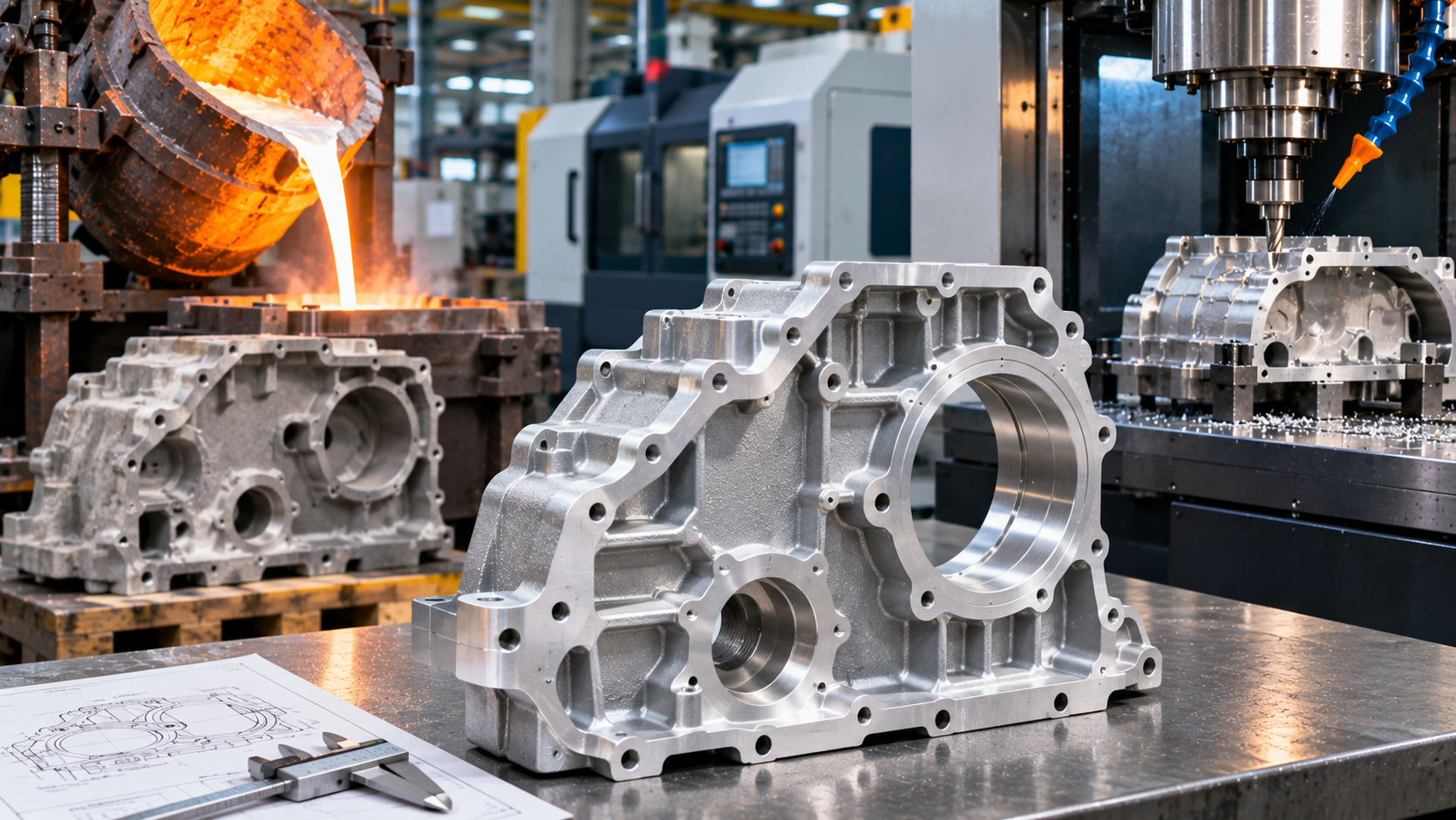
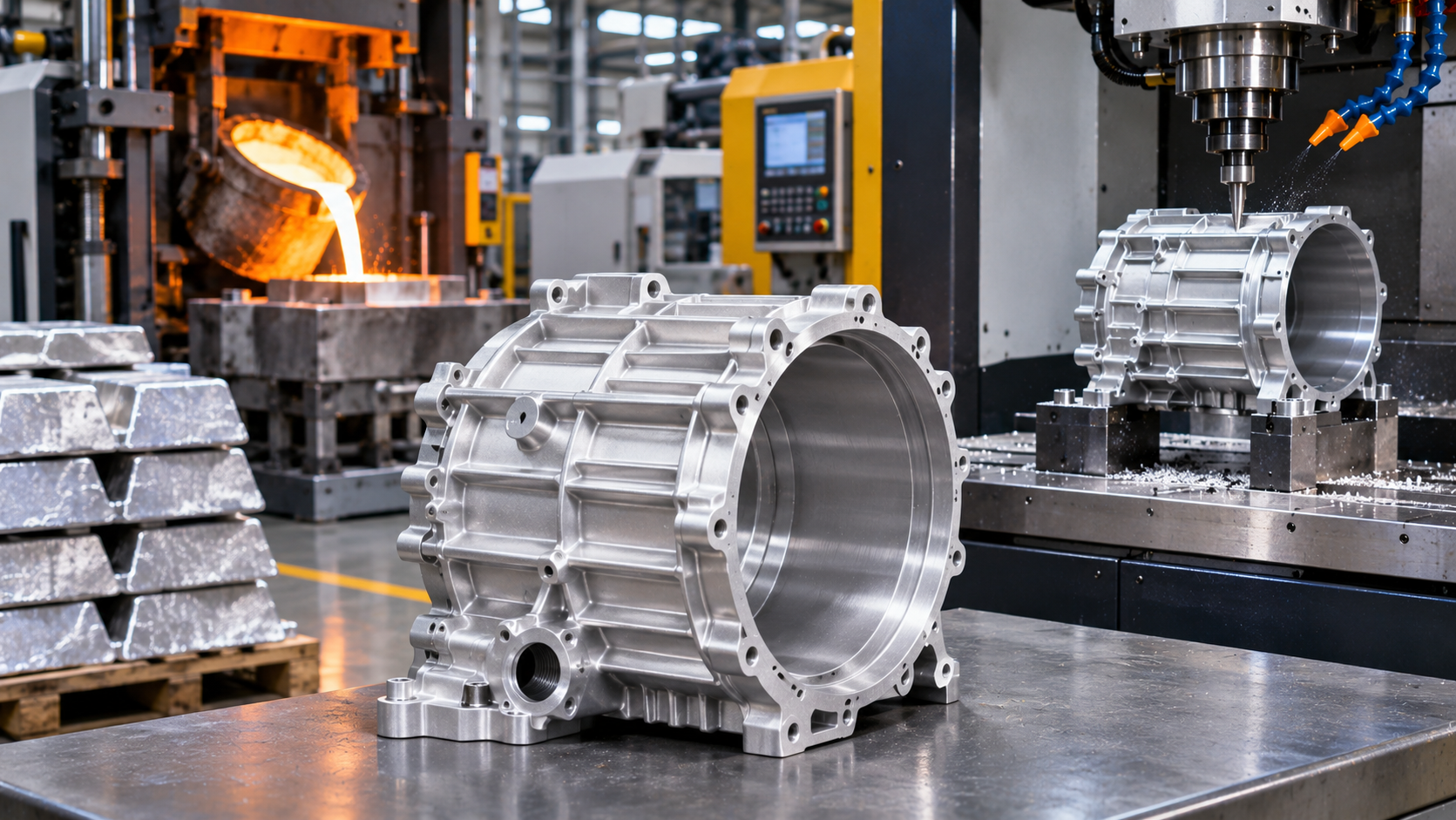
Both methods pour molten aluminium into a reusable metal mould. The difference lies in the push:
Gravity: the metal flows in under its own weight.
Low pressure: air pressure in a sealed furnace pushes the metal up into the mould.
It sounds minor, yet it changes cost, density and speed. Put simply, gravity casting vs low pressure casting for aluminum parts is a choice between flexibility and control.
What Does A Custom Aluminum Casting Parts Manufacturer Really Do?
Far more than pour metal. A custom aluminum casting parts manufacturer reads your drawing, recommends a process, builds the mould and checks the finished part.
We also handle prototypes, mold making, assembly and inspection. That means one point of contact instead of several. Whether you need a small batch or a large run, we adjust to protect your delivery dates.
Three Quick Tests To Pick The Right Process
Run your part through these before you speak to anyone:
Volume test: a few hundred to a few thousand parts usually points to gravity. Steady, high volumes favour low pressure.
Shape test: simple forms suit gravity. Thin walls and complex sections often need the calmer fill of low pressure.
Strength test: leak-tight or load-bearing parts lean towards low pressure.
Most buyers find two of the three tests agree. When they clash, ask a custom aluminum casting parts manufacturer to price both routes. That is where gravity casting vs low pressure casting for aluminum parts stops being theory and becomes a real number.
The Hidden Cost Of Porosity Nobody Puts On The Quote
Tiny pores rarely show up until machining or pressure testing. By then, the part is already paid for.
Gravity pouring is a little turbulent, so it can trap air and oxide films. Low pressure filling is gentler, and the furnace keeps feeding the casting as it cools. The result is a denser structure.
So gravity looks cheaper at the tooling stage, but low pressure can win once you count rejects. Ask for X-ray or leak-test data. Any honest custom aluminum casting parts manufacturer will share it. The same logic sits behind every gravity casting vs low pressure casting for aluminum parts comparison worth reading.
How An Automotive Aluminum Casting Supplier Picks The Process
Car makers care about safety, repeatability and audits. Here is how the choice usually falls:
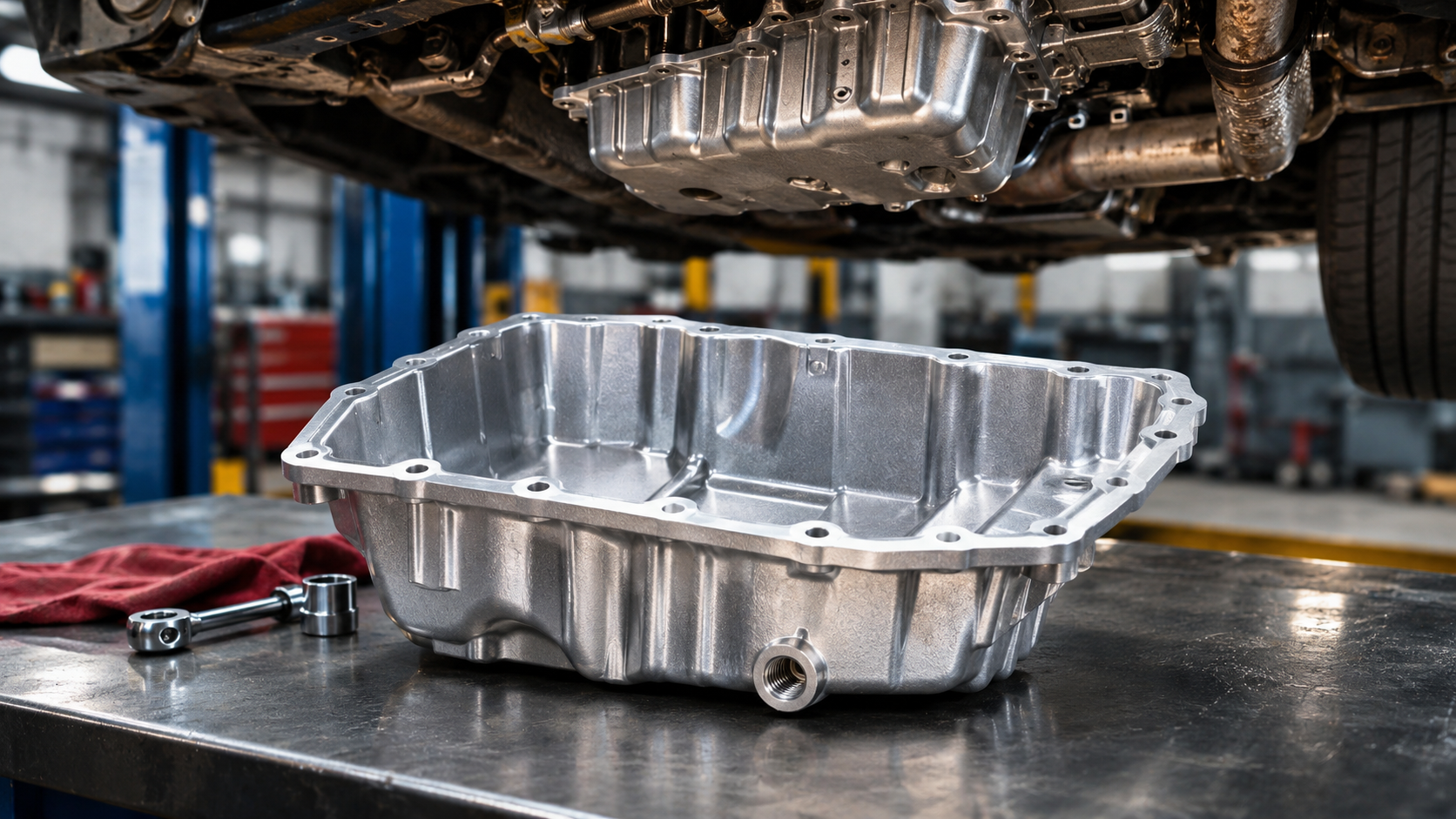
Low pressure: wheels, cylinder heads, battery trays and structural housings.
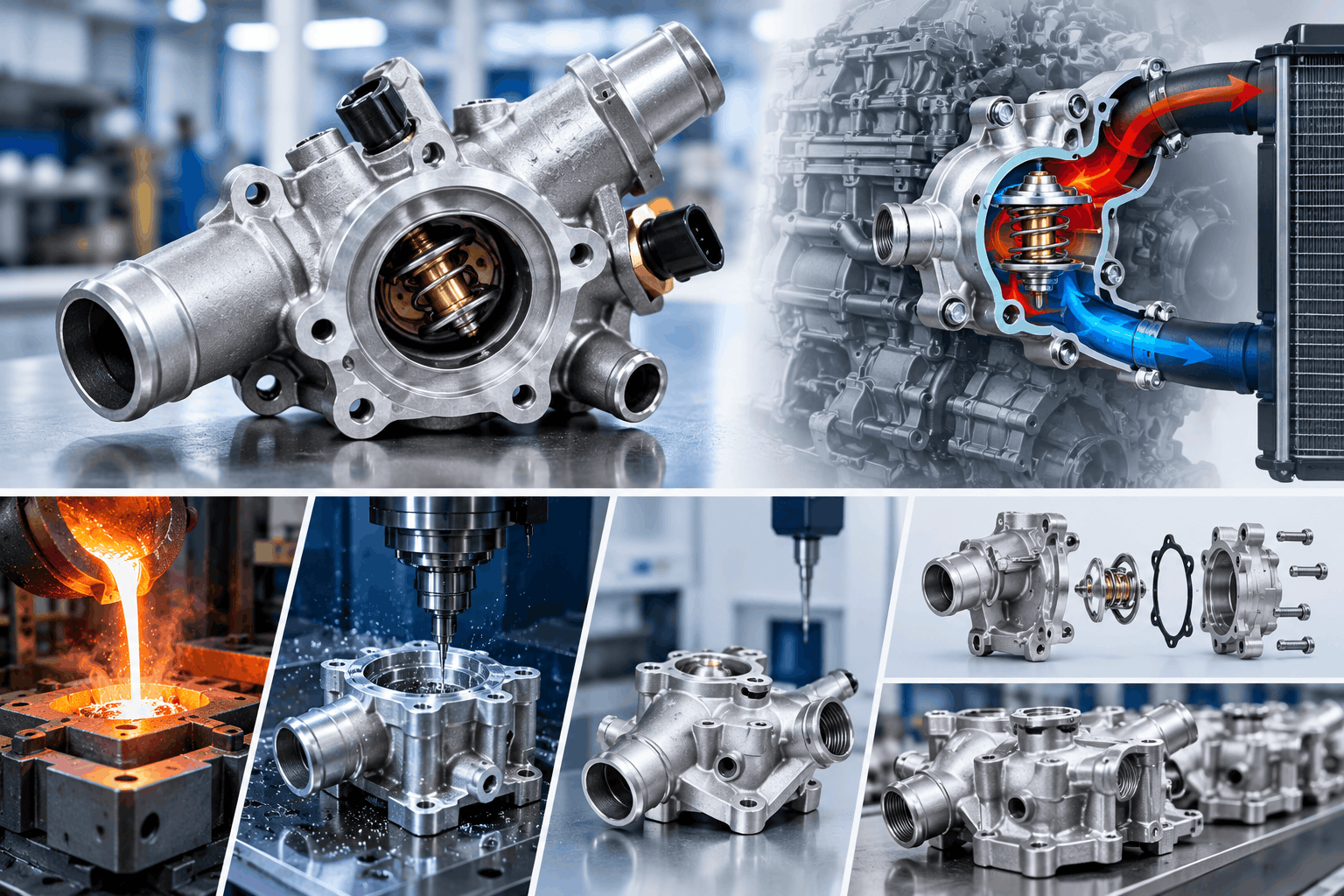
Gravity: brackets, covers, pump bodies and early prototypes.
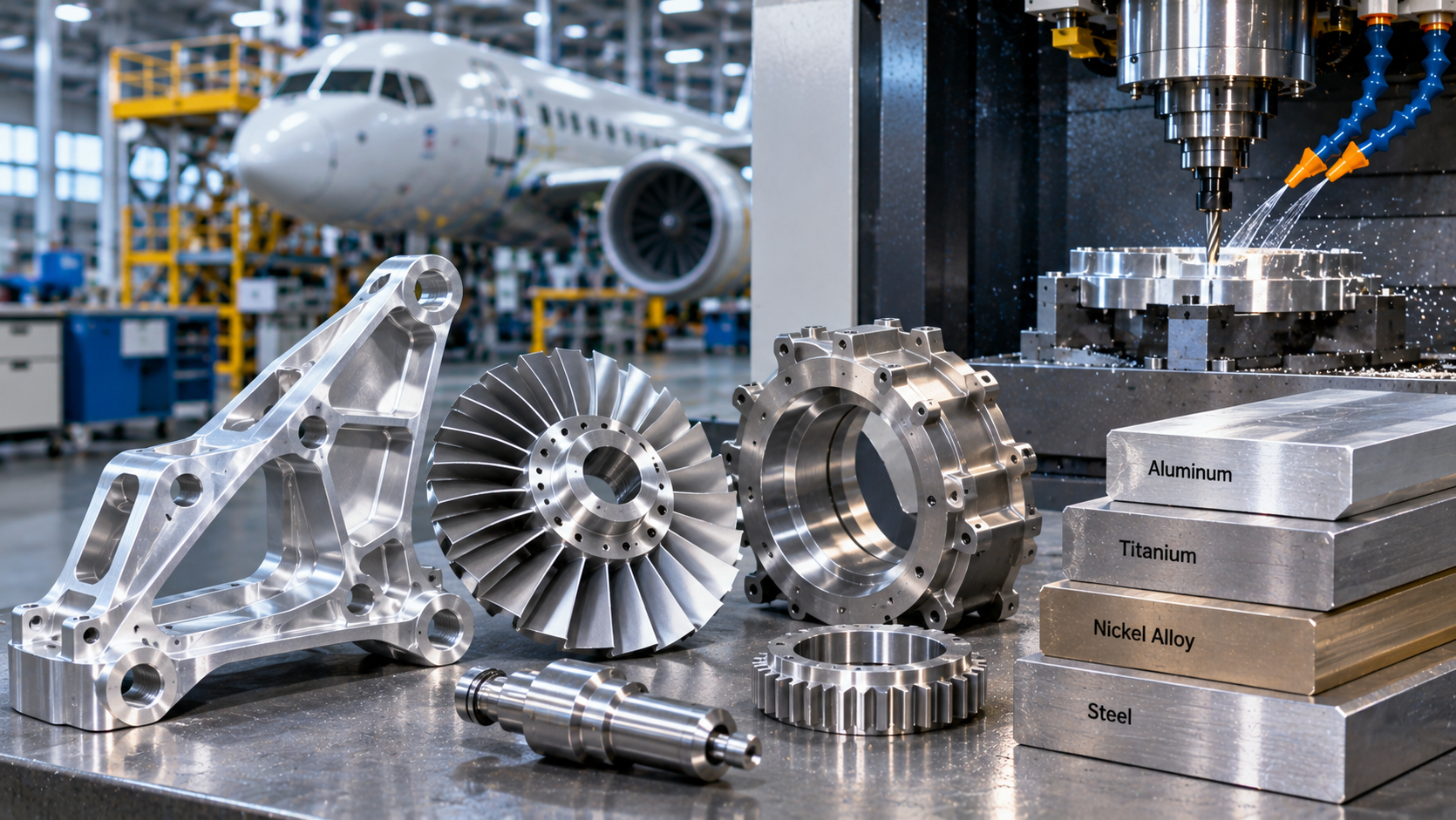
A good automotive aluminum casting supplier explains the reason behind each pick, using data rather than guesswork. Likewise, a reliable automotive aluminum casting provider can scale from samples to full production without changing the quality standard. It is a fair test of experience when you compare gravity casting vs low pressure casting for aluminum parts across suppliers.
Choosing An Aluminum Casting And Cnc Machining Supplier: Quick Tips
A casting is rarely a finished part. Sealing faces, bores and threads still need machining, and that is often when hidden pores appear.
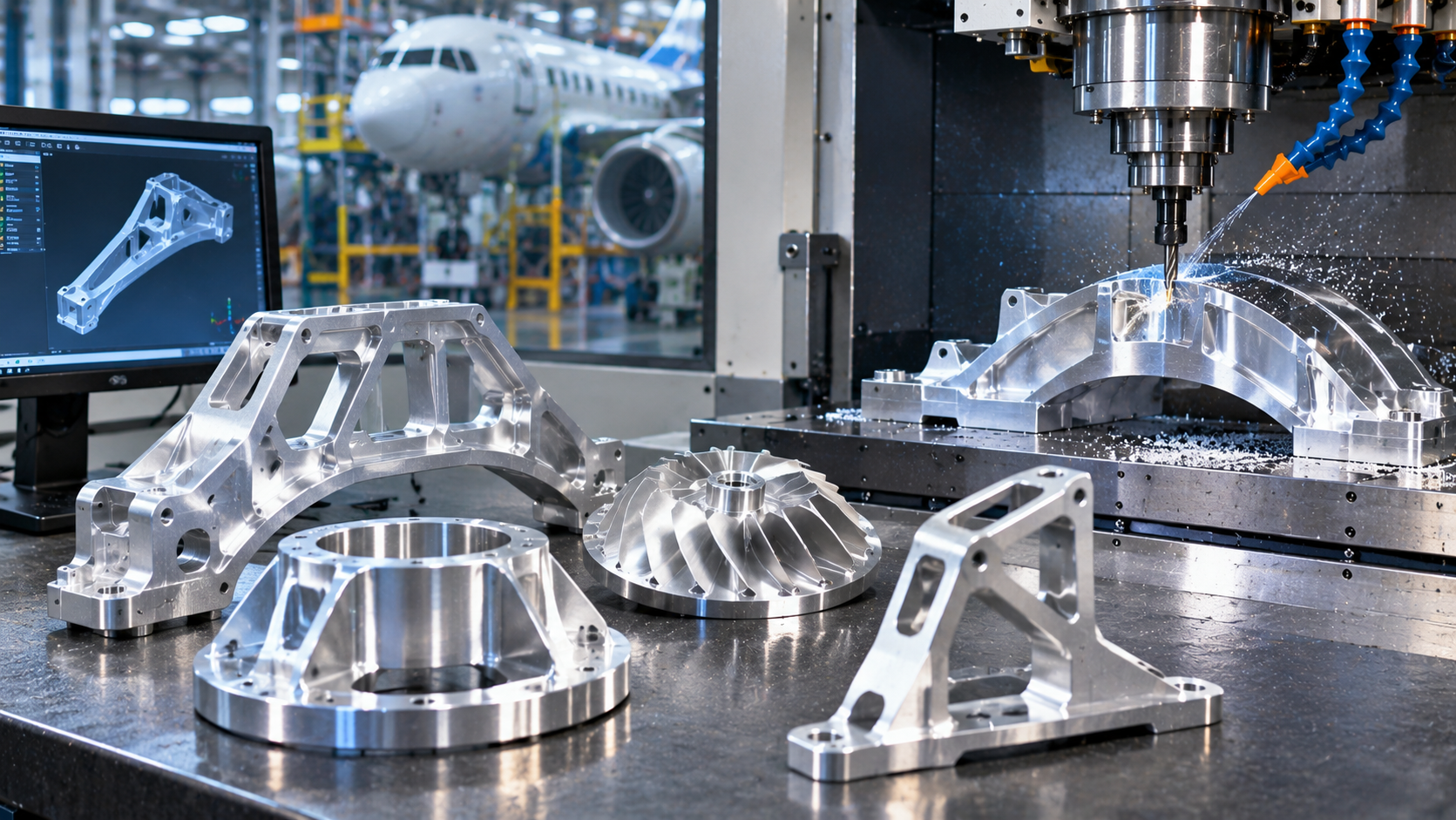
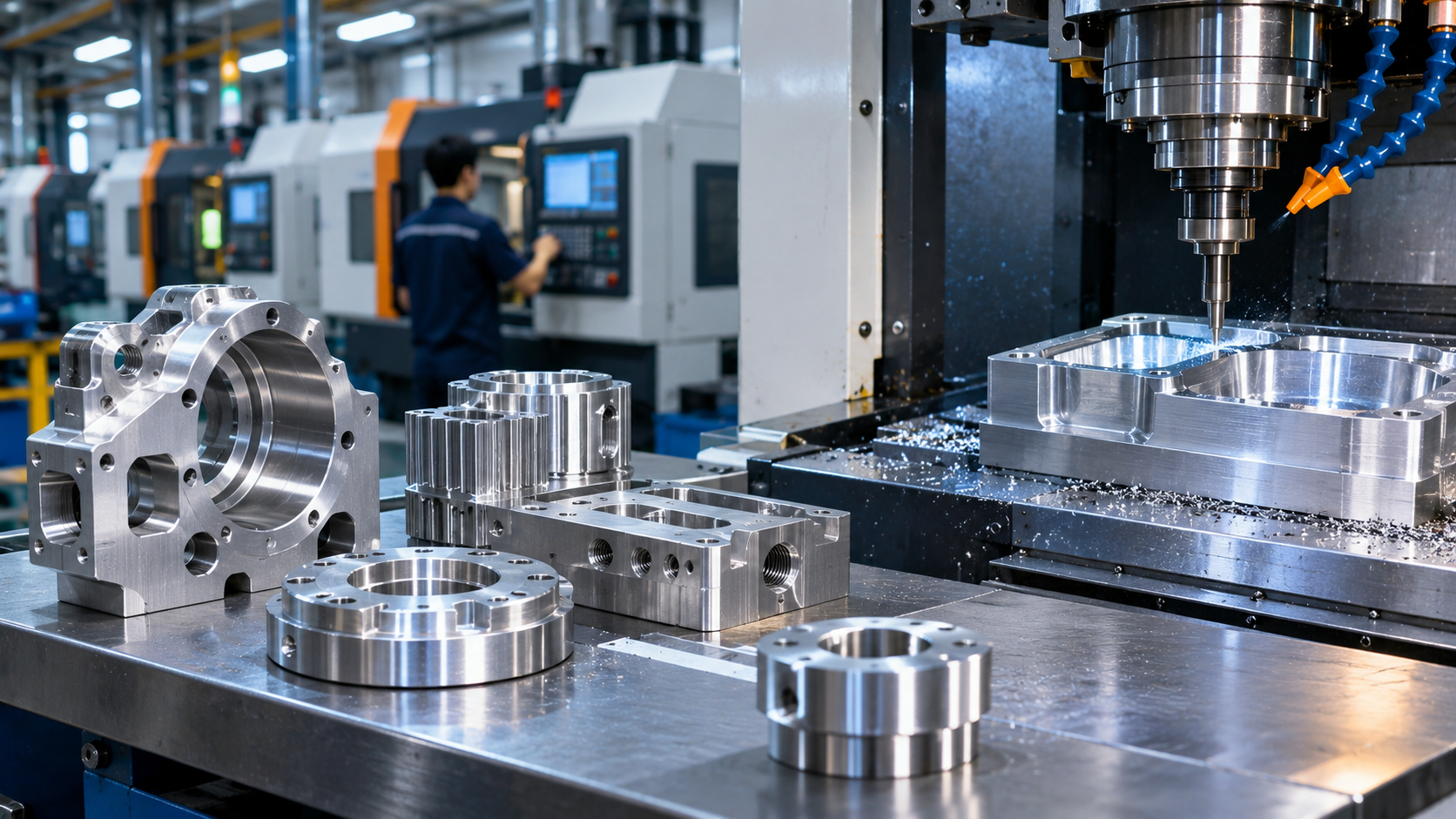
Using one aluminum casting and CNC machining supplier means problems get spotted and solved faster. We run over 100 CNC lathes, 3, 4 and 5-axis machining centres and wire EDM, so tight tolerances stay tight. A rigorous quality control system also checks every batch.
Before you commit, ask:
Do you machine in-house?
How do you handle porosity found after machining?
Can you inspect every critical dimension?
The right aluminum casting and CNC machining supplier answers these without hesitation.
Our Verdict, Plus What To Send Us First
Gravity suits flexible, lower-volume work. Low pressure suits dense, high-volume parts. So, in the end, gravity casting vs low pressure casting for aluminum parts comes down to your drawing, your volume and your budget.
To get a clear answer, send us:
Your drawing or 3D file
Expected yearly volume
Alloy and tolerance needs
Any pressure or leak-test requirements
Hubei Robot Technology will review it and recommend the route that saves you money. As a custom aluminum casting parts manufacturer with strong R&D and strict inspection, we will say plainly if one option is a poor fit. Visitsyrontech.com to get started.
FAQs:-
1.Can one mould serve both processes? Rarely. Gating and layout differ, so each process normally needs its own tooling.
2.Which process gives the smoother surface? Both give good finishes. Low pressure tends to be more consistent from part to part.
3.How long does mould making take? It depends on part size and complexity. We confirm the timeline when we quote.
4.Can you machine and assemble the castings too? Yes. We can machine, assemble and inspect, so you receive a ready-to-fit part.