How Are Cummins Engine Housings Manufactured From Raw Molten Metal to Precision Finished Parts Ready for Assembly
Date : 2026-11-19Source: Syrontech
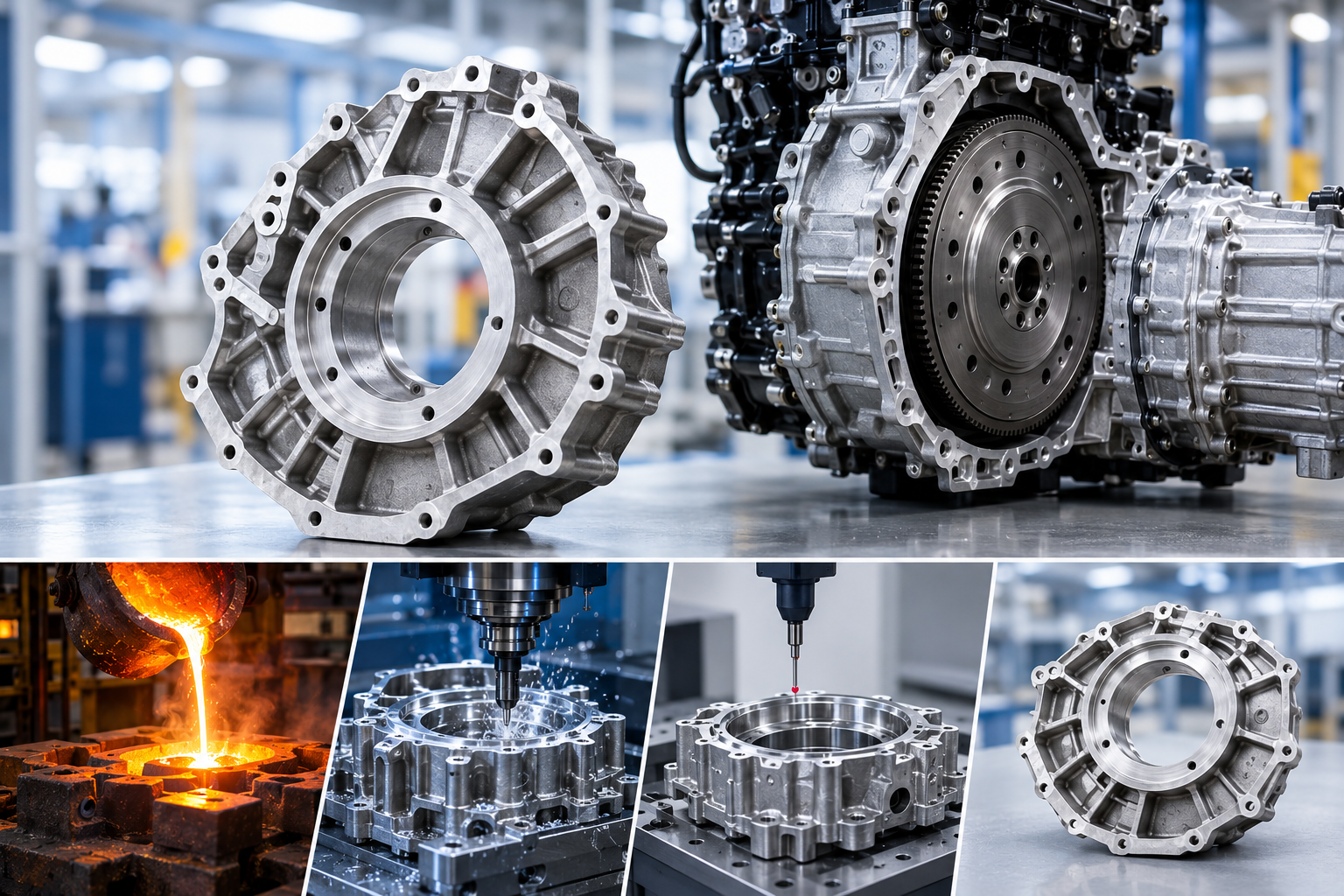
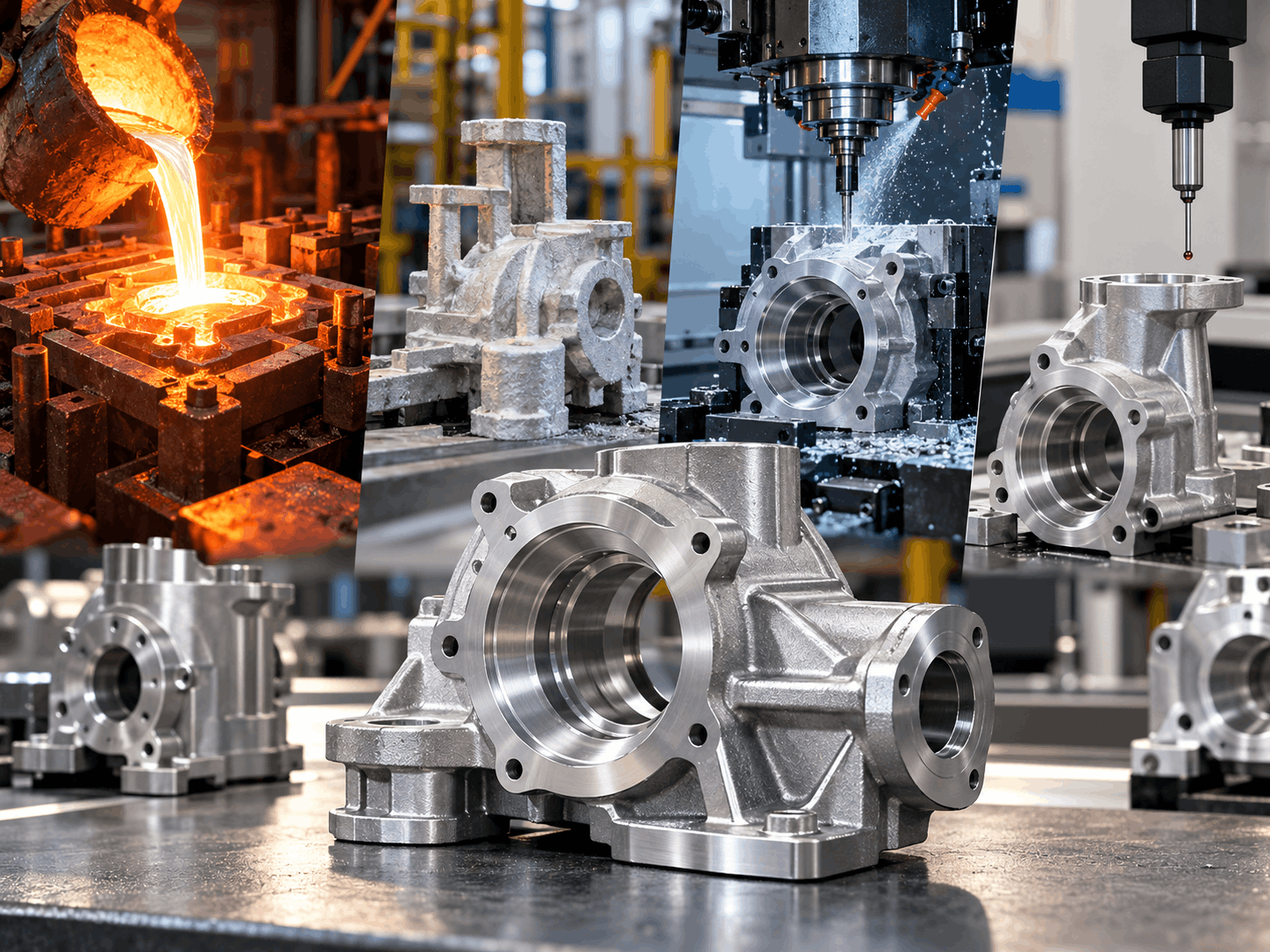
A diesel engine is only as strong as the shell around it. Yet few people ask how are Cummins engine housings manufactured before those parts end up in trucks, generators and heavy machinery. At Hubei Robot Technology, we answer that question on our shop floor every day. Each housing goes from molten metal to a machined, inspected part, and every stage counts. This guide explains the process in plain English, so you know what good quality looks like.
How Are Cummins Engine Housings Manufactured, Start to Finish?
Think of it as a relay race. Each stage hands a slightly better part to the next one. Skip a stage, or rush one, and the whole housing suffers.
Any experienced engine housing parts manufacturer follows roughly this order:
Pattern and mould preparation
Melting and pouring the metal
Cooling, cleaning and rough trimming
Precision machining to exact dimensions
Washing and surface finishing
Final inspection and packing
It looks simple on paper. In practice, small decisions at each step decide whether a housing lasts ten years or cracks in two. So when someone asks how are Cummins engine housings manufactured, the honest answer is: carefully, and in stages.
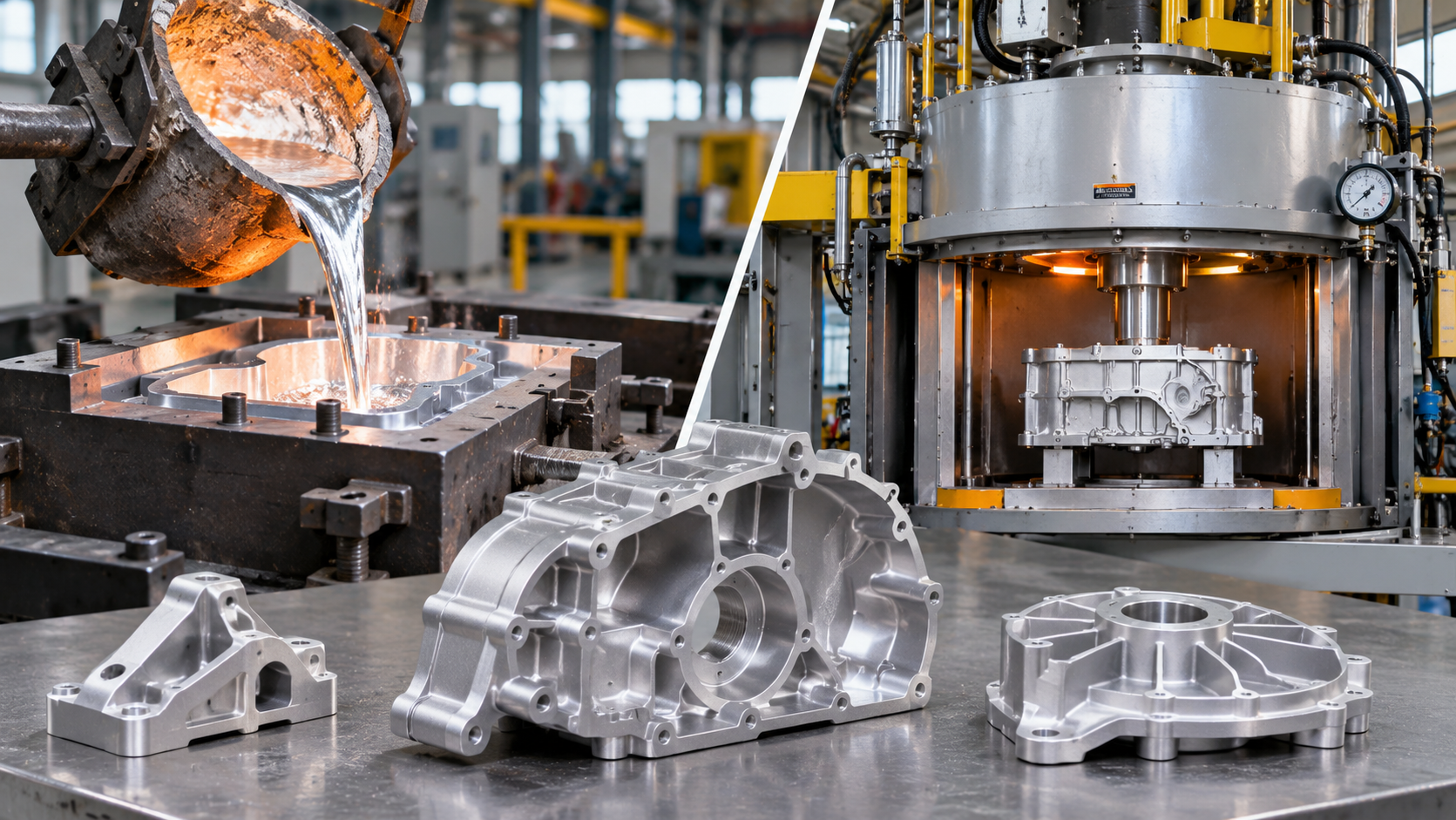
Cummins Engine Housing Casting: Where Molten Metal Takes Shape
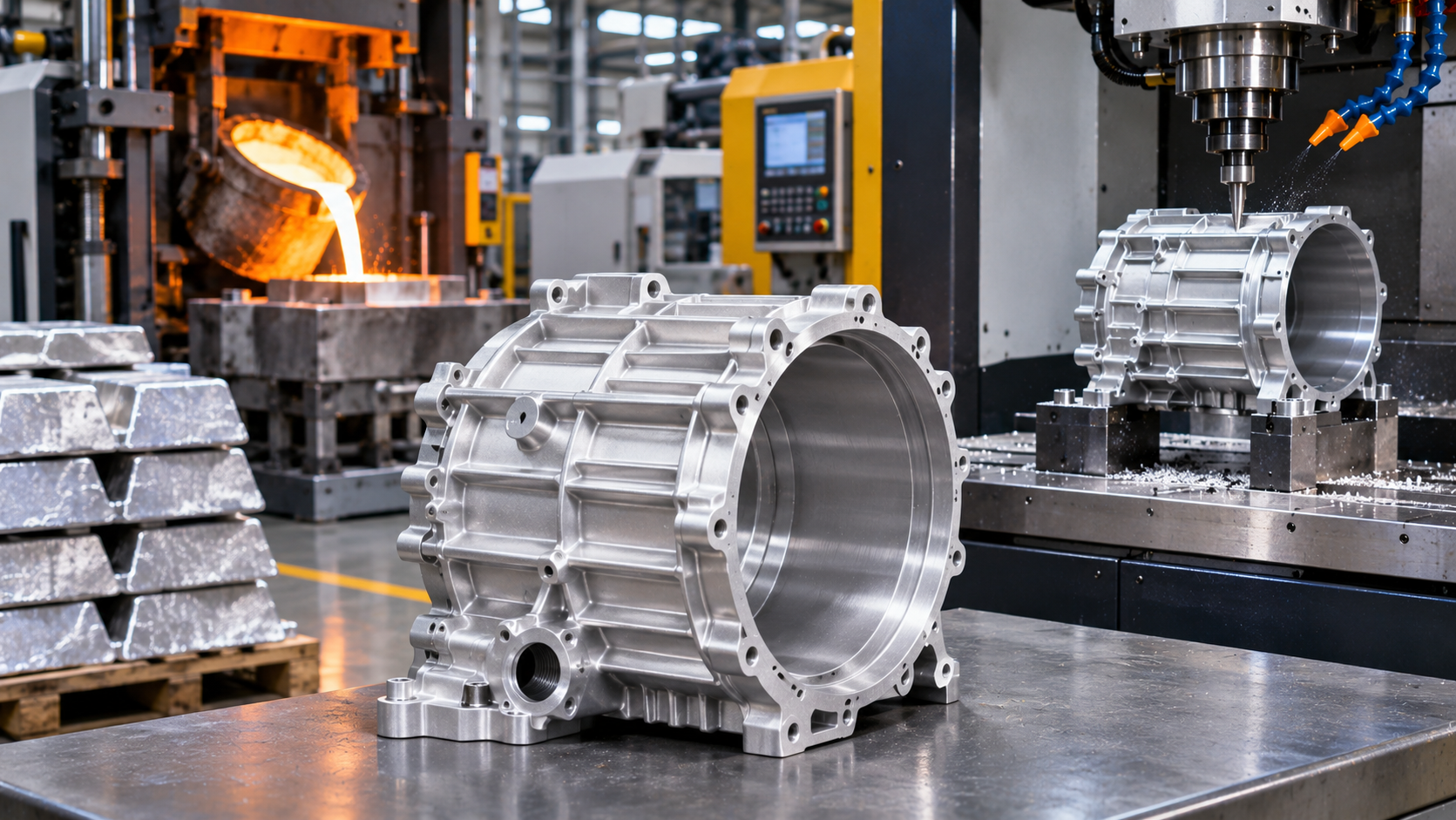
Everything starts in the foundry. Iron or aluminium alloy is heated until it flows like thick syrup, then poured into a mould shaped like the finished housing.
Good Cummins engine housing casting depends on temperature control. If the metal runs too hot, it absorbs gas. If it runs too cool, it fails to fill thin walls. Either way, hidden flaws creep in.
Cooling needs patience as well. A rushed cool-down creates internal stress, and that stress shows up later as warping on the machine. That is why proper Cummins engine housing takes longer than most buyers expect.
Why Mould Design Quietly Decides Everything That Follows
A mould is the housing's blueprint. If the gating is wrong, metal flows unevenly. Cores, which form the hollow channels for oil and coolant, must also stay perfectly still during the pour.
Engineers usually check these points before approving a mould:
Wall thickness that stays even
Vents that let gas escape
Cores positioned within tight limits
Gates that fill the cavity smoothly
Extra time spent here saves hours later. A well-planned Cummins engine housing casting layout leaves far less to correct downstream.
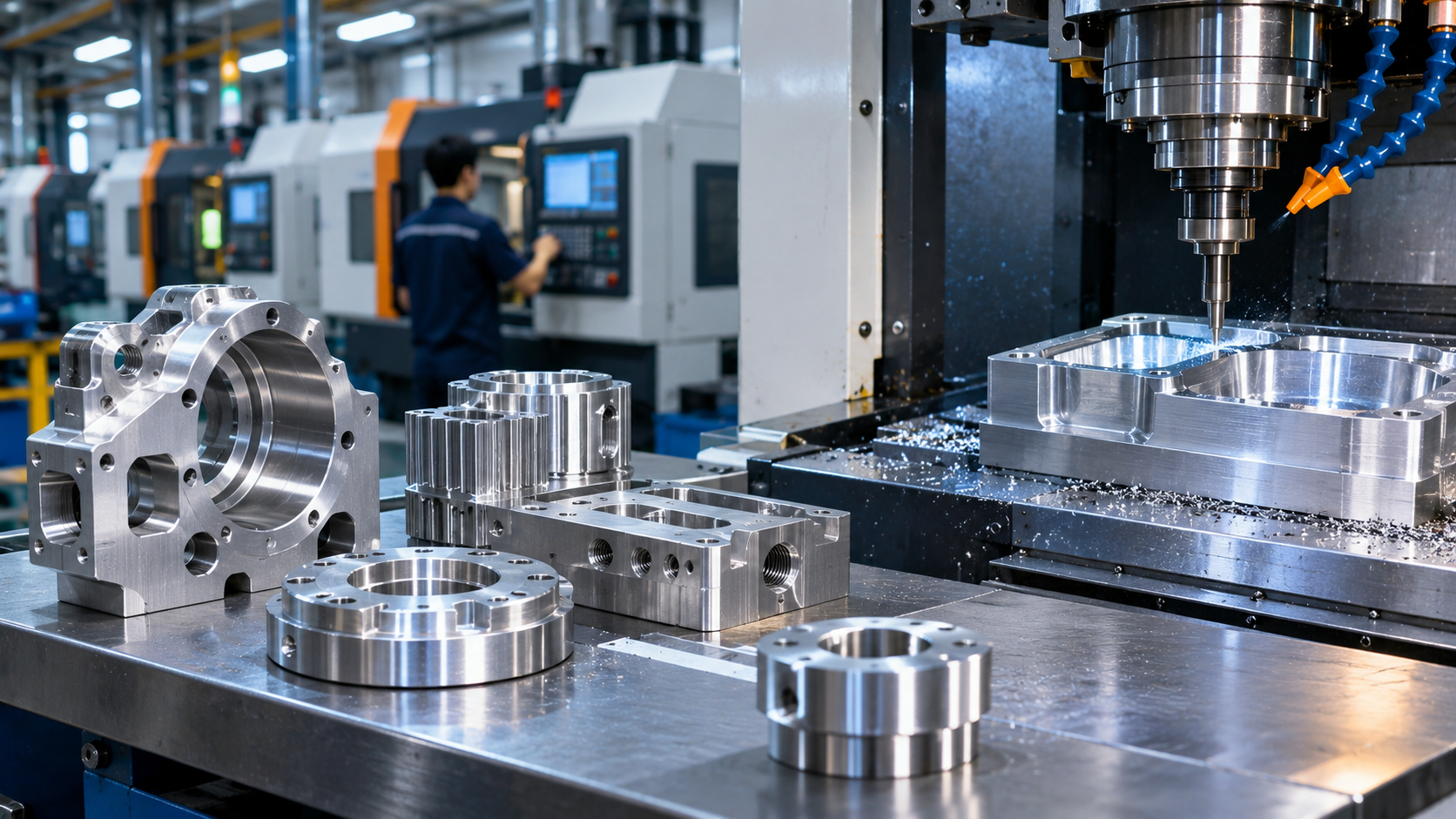
What Happens When Rough Castings Meet CNC Machines?
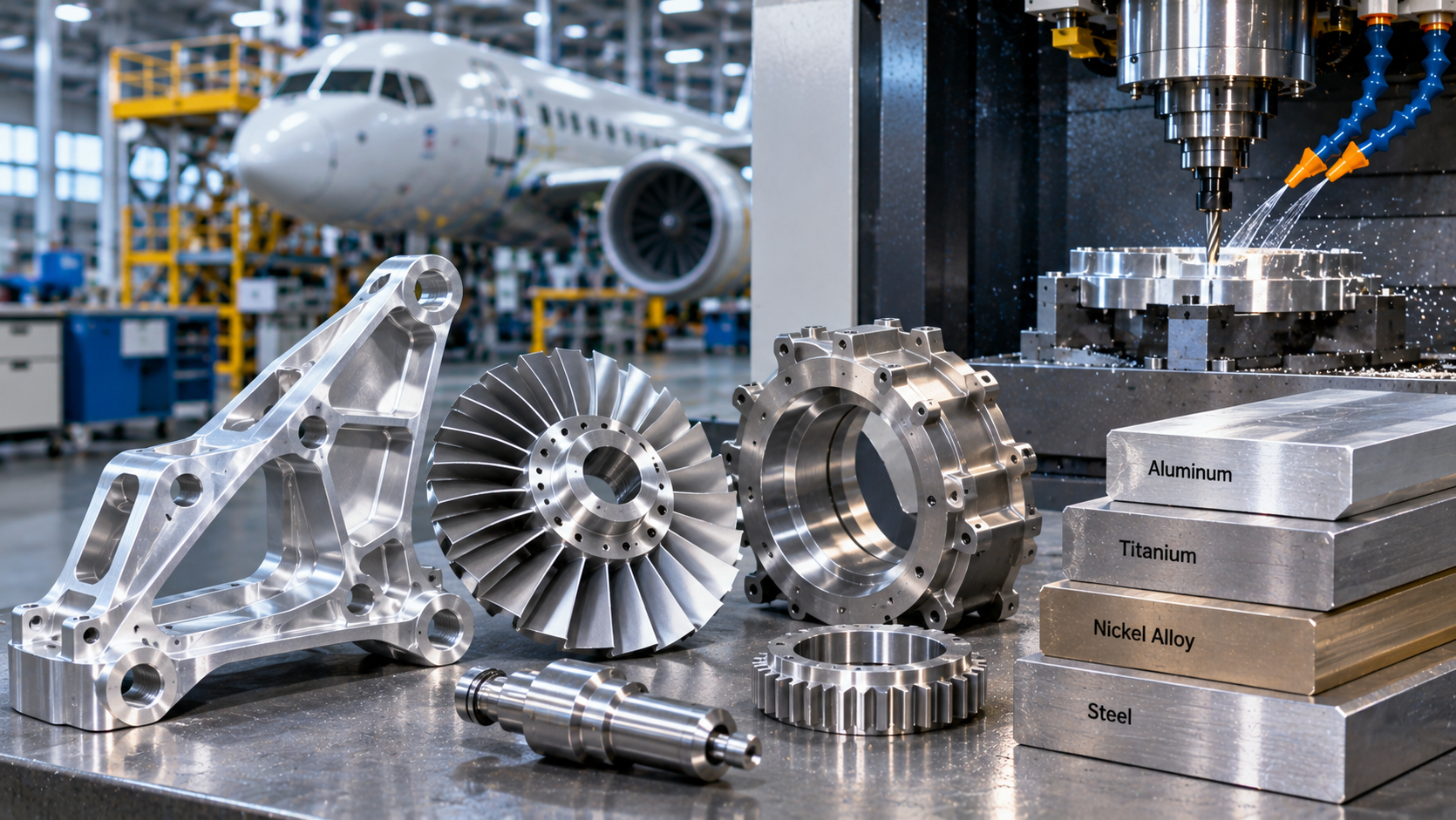
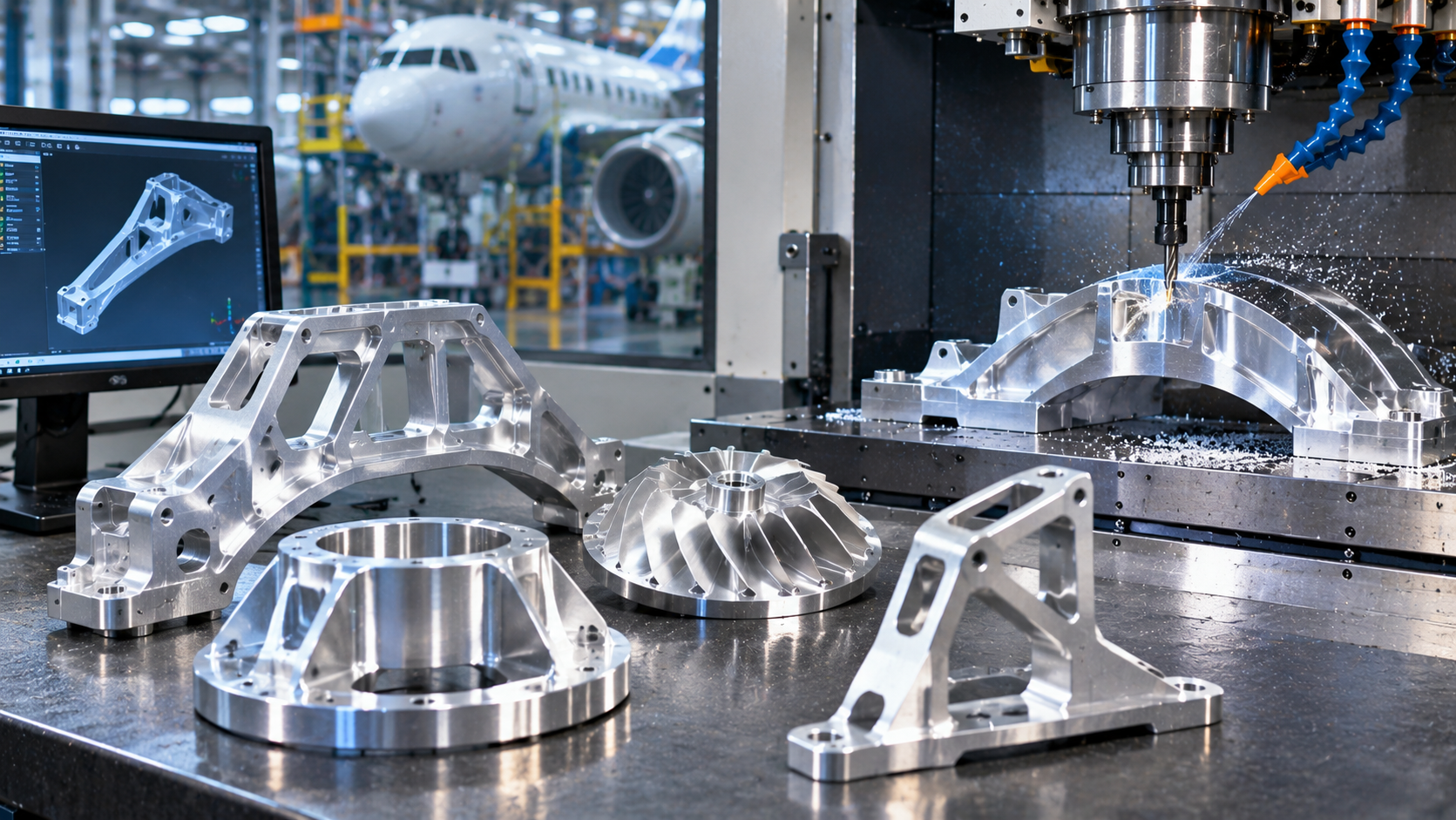
A raw casting is rough, slightly oversized and nowhere near ready. This is where engine parts CNC machining takes over. We run over 100 CNC lathes, alongside 3, 4 and 5-axis vertical and horizontal machining centres.
Multi-axis machines matter because housings have awkward angles. One setup can cut several faces, which keeps hole positions properly aligned. Fewer setups also mean fewer chances for error.
Good engine parts CNC machining is really about repeatability. The hundredth part should match the first.
Typical machined features include:
Mating faces that must sit flat
Bores for bearings and shafts
Threaded holes for bolts
Oil and coolant ports
Anyone curious about how are Cummins engine housings manufactured should watch this stage first, because tolerances here are measured in hundredths of a millimetre.
Wire EDM, Washing and Other Finishing Steps Worth Knowing
Some features are too fiddly for ordinary cutters. Wire EDM handles sharp inside corners and narrow slots with very little stress on the part. It is slower, but the result is neat.
Next comes deburring and thorough washing. A stray metal chip inside an oil passage can wreck an engine, so cleanliness gets as much attention as size. We borrow habits from our medical device work here, where cleanliness is never negotiable.
How Every Housing Earns Its Pass Mark
Nobody should take the quality of trust. Our quality control system checks parts against the drawings, using measuring tools and pressure tests where needed.
Here is what usually gets checked:
Dimensional accuracy on critical bores and faces
Surface flaws and porosity
Leak tests for fluid passages
Batch records, so any part can be traced
This is also the point where how are Cummins engine housings manufactured gets a measurable answer, rather than a promise.
What Should You Expect From a Dependable Housing Partner?
Not every workshop handles both casting knowledge and precision machining. A dependable Dongfeng Cummins engine parts supplier should do both well, or at least understand how one affects the other.
A reliable engine housing parts manufacturer also offers practical support, such as:
Prototype development before you commit to volume
Mould manufacturing
Small-batch customisation as well as large production runs
Post-processing assembly and inspection
Delivery dates you can actually plan around
So complex drawings receive proper engineering advice, not guesswork. The same standards serve aerospace, automotive and medical customers, which keeps our habits sharp.
FAQs:-
1. How are Cummins engine housings manufactured, and how long does it take? Casting, cooling, machining and inspection usually take several days to a few weeks, depending on size and complexity. Prototypes take longer than repeat orders.
2. Which materials are most common? Cast iron and aluminium alloys are popular, chosen according to strength, weight and heat demands.
3. Can I order small batches? Yes. We handle small custom runs and scale up smoothly for larger volumes.
4. What should I ask a Dongfeng Cummins engine parts supplier before ordering? Ask about inspection records, machining equipment, material traceability and past delivery performance.
Getting Housings Right the First Time Starts at the Foundry
So, how are Cummins engine housings manufactured well? Through sound Cummins engine housing casting, accurate machining and honest inspection, in that order. Hubei Robot Technology brings all three together, backed by advanced equipment and an engineering-led team. Send us your drawings, and we will help you turn them into dependable parts.