What Makes a Metal Flight-Ready? Which Materials Are Used In Aerospace Machining and Their Strengths
Date : 2026-11-19Source: Syrontech
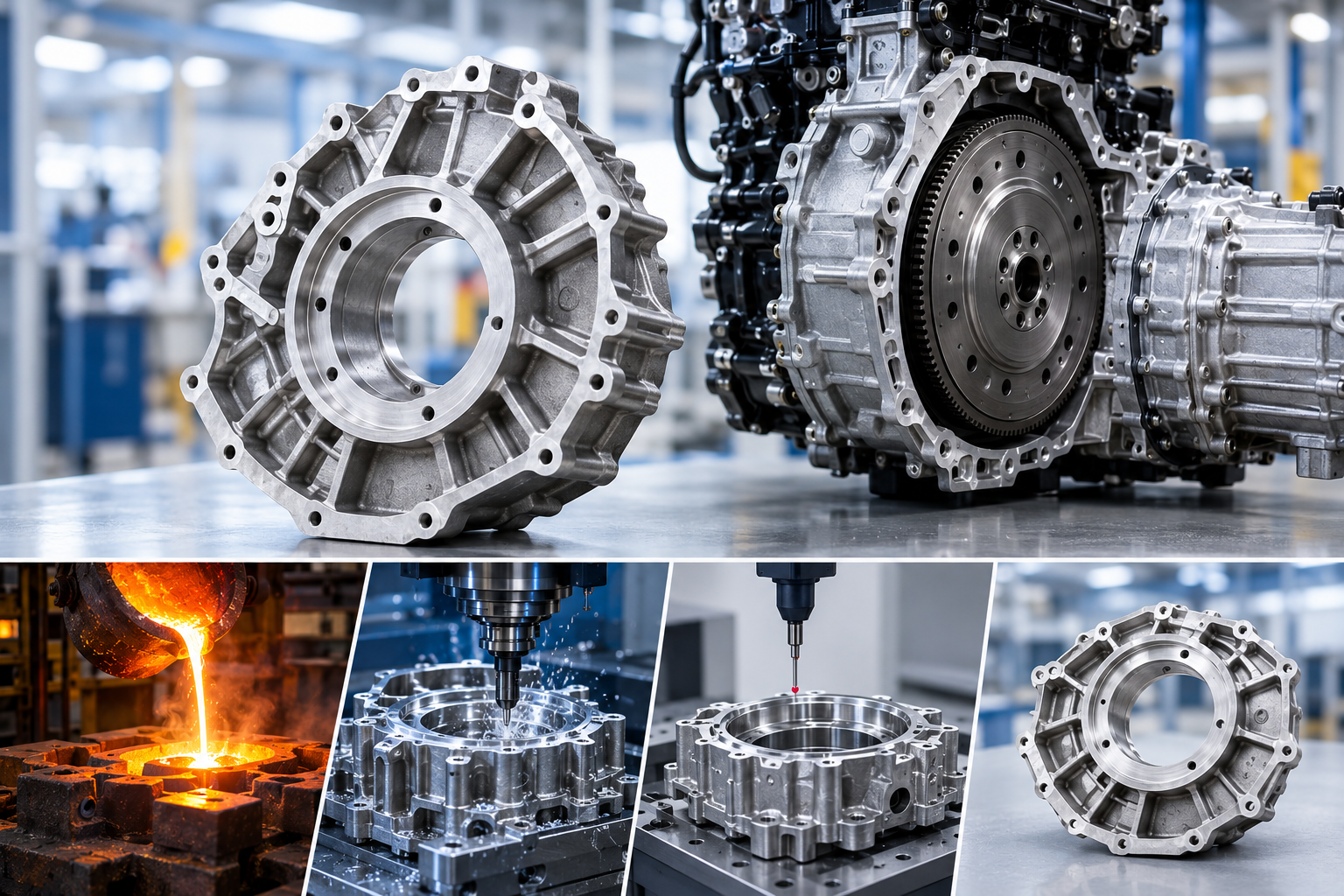
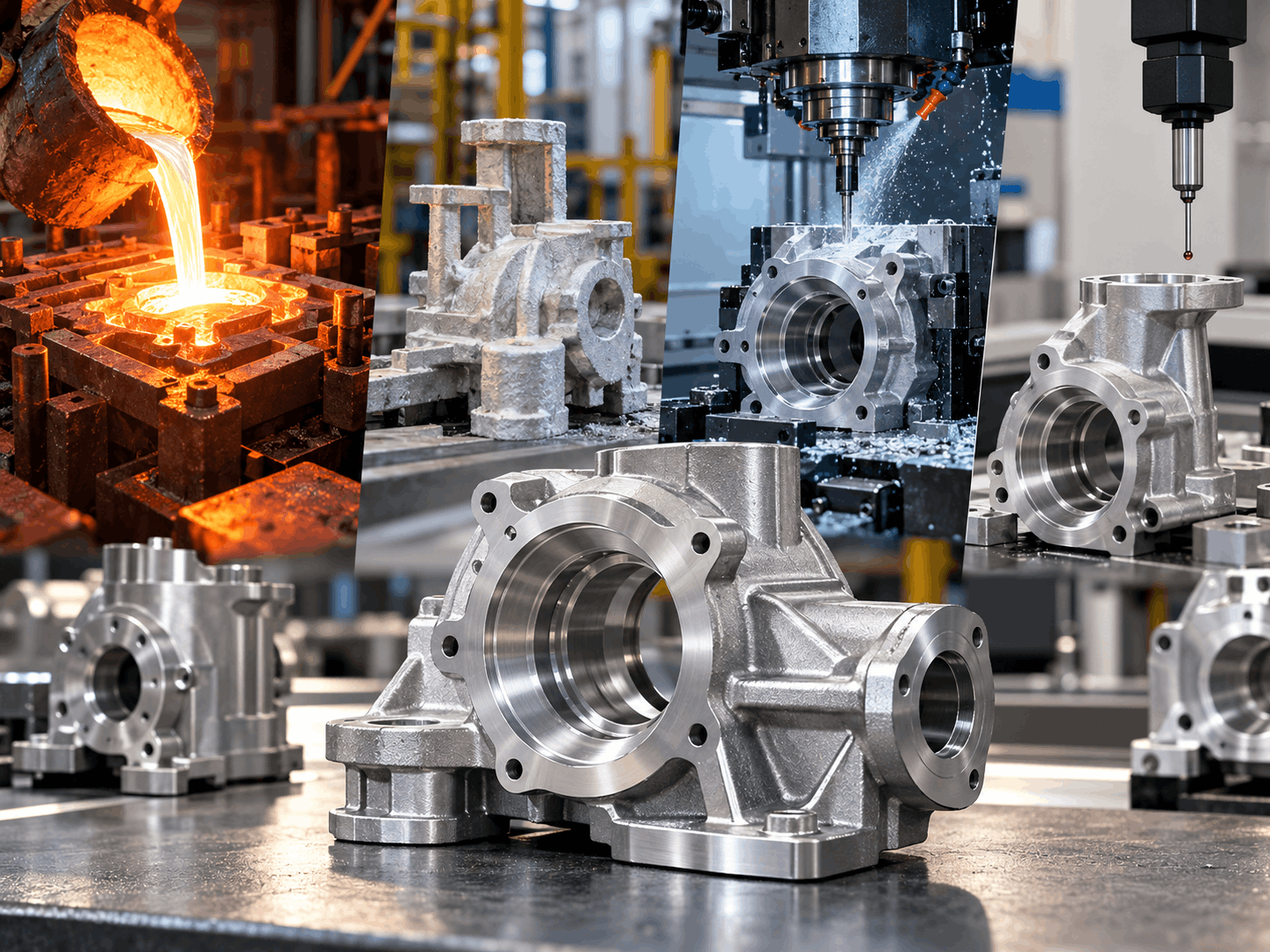
Picture a wing bracket the size of your hand. It carries load on every take-off, shakes through every landing and never gets a day off. The metal behind it has to be right. At Hubei Robot Technology, we machine precision parts for aerospace, automotive and medical clients, so the question of which materials are used in aerospace machining reaches us almost daily. This guide covers the main metals, their strengths and the care each one needs.
Which Materials Are Used In Aerospace Machining? The Short List
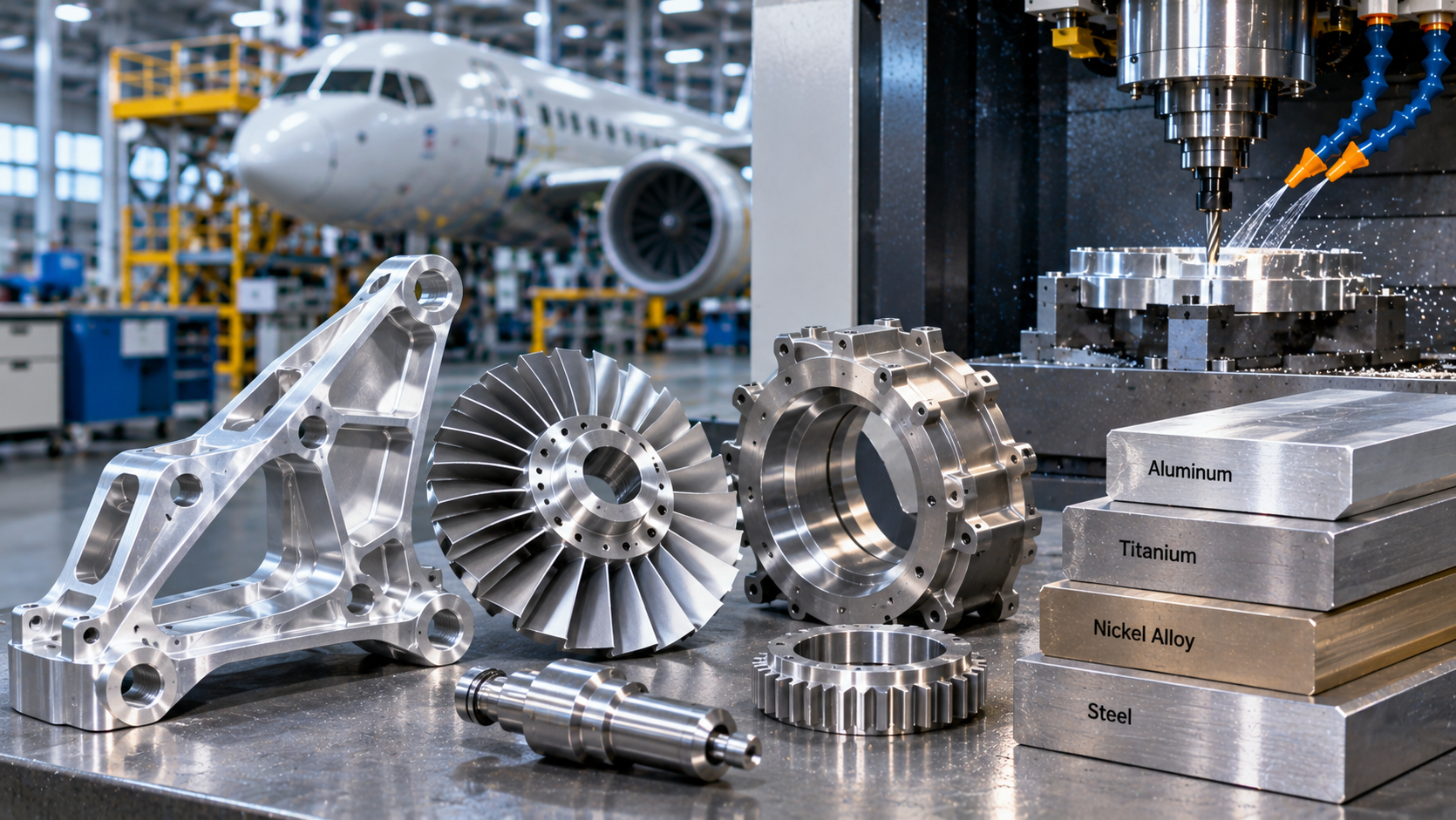
Four families cover most of the work:
Aluminium alloys for frames, housings and brackets
Titanium alloys for strong, light structural parts
Nickel superalloys for hot engine zones
Steels for landing gear, shafts and fittings
That is the quick answer to which materials are used in aerospace machining. The reasons behind each choice matter more, though. Engineers pick by job, not by habit.
Why Aerospace Aluminum Machining Still Rules the Airframe
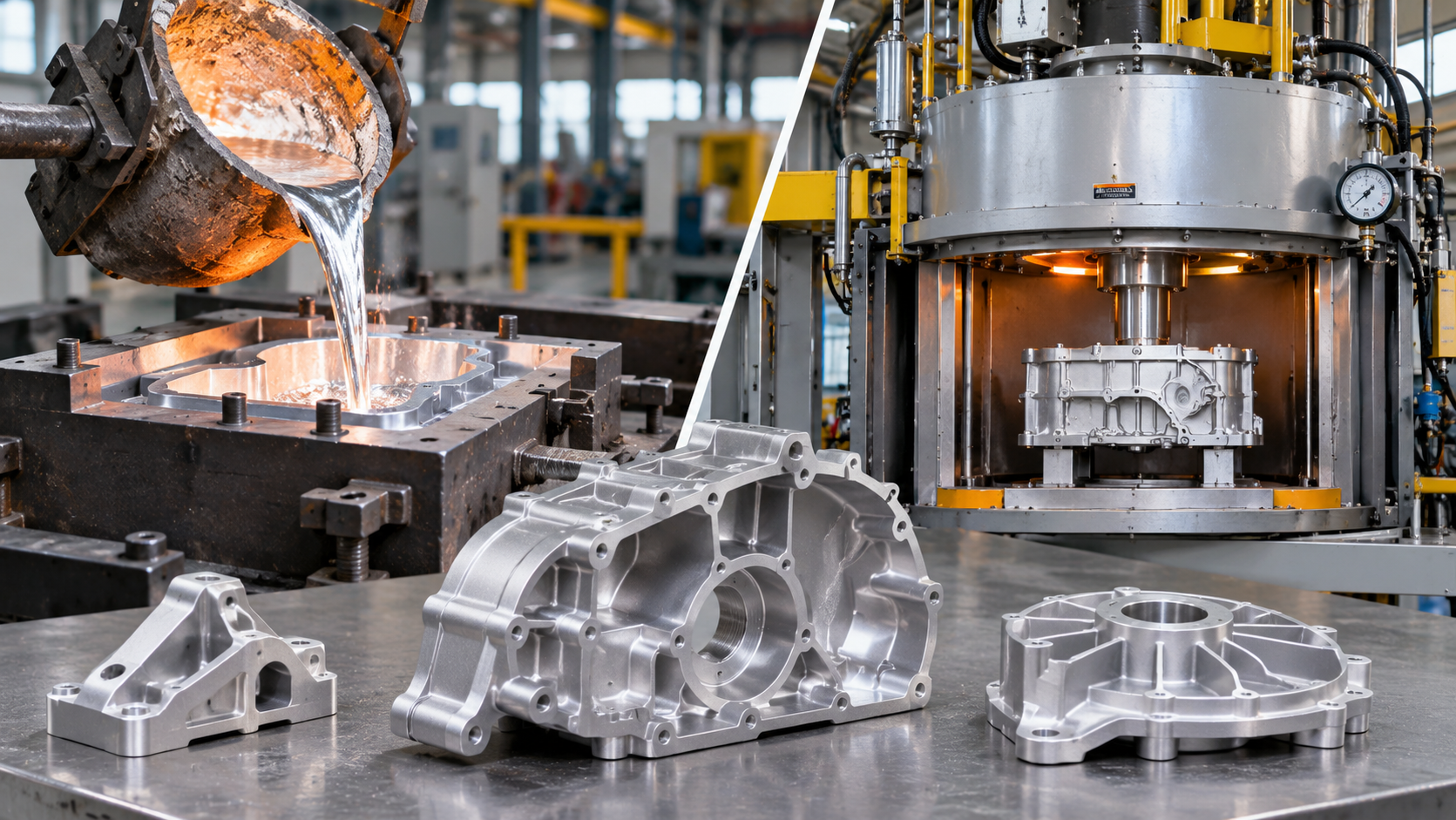
Aluminium is light, fairly strong and kind to cutting tools. Grades such as 2024 and 7075 appear on almost every aircraft. As a result, aerospace aluminum machining takes up a big share of workshop hours.
Thin walls are the catch. They can flex or warp under heat, so fixture design and cutting speed need real thought. We plan both before any metal is cut.
Titanium matches many steels for strength at roughly half the weight. It also resists corrosion, so it suits parts exposed to moisture and de-icing fluid.
The trouble is heat. Titanium keeps it at the cutting edge, so tools wear fast. Slow, steady cuts and plenty of coolant protect both the part and the tooling.
Can Your Part Survive an Engine? High Temperature Alloy Machining
Inside a jet engine, ordinary metals soften. Nickel and cobalt superalloys, such as Inconel, hold firm. Yet they harden as they are cut, which makes them slow to machine.
Wire High Temperature Alloy Machining EDM helps here because it shapes tough material without heavy cutting force.
Typical hot-section parts:
Turbine discs and blades
Combustion casings
Exhaust components
Steel, Stainless and the Quiet Performers Behind the Scenes
Steel rarely gets the glamour, but landing gear, gearboxes and actuators rely on its toughness. Stainless steel suits hydraulic and fuel fittings. Composites and technical plastics also appear, although they need different tooling.
So when someone asks which materials are used in aerospace machining, the honest reply is several, picked part by part.
Picking a Workshop: What Good Aerospace Cnc Machining Services Offer
The right metal still needs the right kit. Before you choose a supplier, check these points:
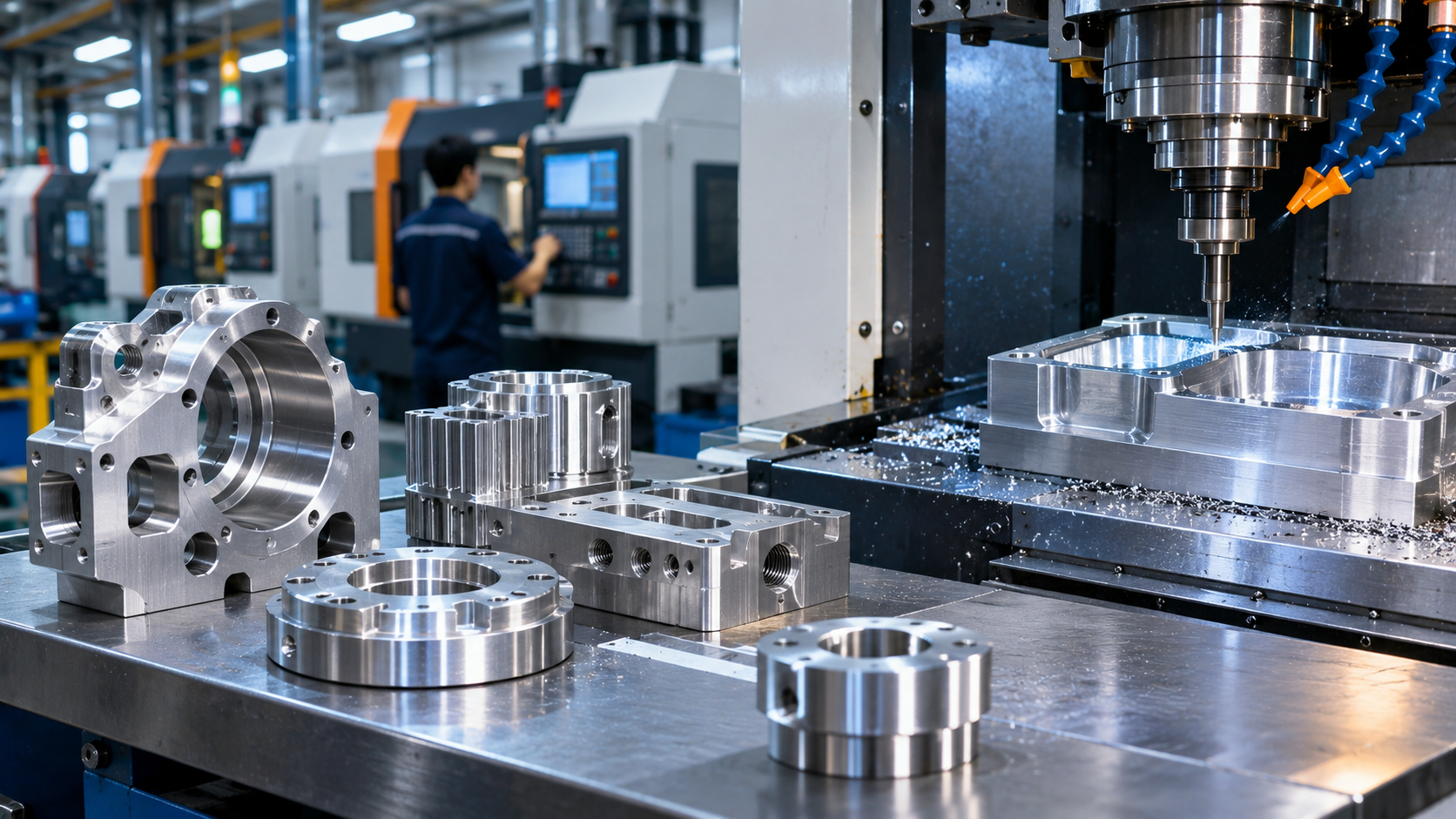
Equipment: we run over 100 CNC lathes, 3, 4 and 5-axis machining centres and wire EDM
Expertise: 20% of our R&D team hold PhDs and 30% hold Master's degrees
Flexibility: small-batch customisation or large-scale production
Quality: a strict control system that checks every product
Understanding which materials are used in aerospace machining also helps you ask sharper questions. A team with real titanium alloy aerospace machining experience can advise on swaps too. For instance, Aerospace Cnc Machining Services may replace a heavier steel part without costing strength.
We also handle prototypes, moulds, assembly and inspection, so you deal with one team from start to finish.
FAQs:-
1.Which materials are used in aerospace machining when weight matters most? Aluminium and titanium. For the lightest parts, aerospace aluminum machining is usually the first choice.
2.Why use wire EDM on hard alloys? It cuts without heavy force, so high temperature alloy machining stays accurate on metals that resist normal tools.
3.What should I ask a supplier before ordering? Ask about material experience, inspection methods and batch flexibility. Good aerospace CNC machining services answer these without hesitation.
4.Can I order one prototype first? Yes. We support single prototypes, small batches and full production runs.
Strong Metals Need a Steady Hand and a Capable Workshop
Knowing which materials are used in aerospace machining is the first step towards a safe, light and durable part. Aluminium saves weight, titanium adds strength, superalloys beat the heat and steel takes the shock. With deep aerospace aluminum machining experience and a full range of equipment, Hubei Robot Technology can turn your drawings into dependable components. Visithttps://www.syrontech.com/ to discuss your project.